Water Damage Repair & Reconstruction in Longmont, CO
Longmont water damage restoration that stops the loss, dries the structure, and rebuilds your property with a clear plan.
When you need water damage restoration Longmont CO property owners can rely on, the first priority is to stop additional damage and protect the people inside. A burst pipe, water in the basement, leaking ceiling, failed sump pump, appliance overflow, sewage backup, or storm-related intrusion can affect far more than the visible surface. Moisture can move beneath flooring, behind drywall, into insulation, under cabinets, and through framing.
Mont Long Restoration provides emergency water removal, moisture mapping, structural drying, water damage repair, and reconstruction for homes and businesses throughout Longmont and the Front Range. Our team helps you move from the first emergency call through extraction, drying documentation, insurance-ready records, and rebuilding work such as drywall, flooring, ceilings, trim, paint, cabinets, and affected basement areas.
- Emergency water extraction and damage stabilization for homes and commercial properties
- Moisture inspection and structural drying for walls, floors, ceilings, crawl spaces, and concealed areas
- Clear separation between emergency mitigation, insurance documentation, and reconstruction scope
- 24/7 response for burst pipes, basement flooding, sewage backup cleanup, appliance leaks, roof leaks, and storm damage
Call +1 (720) 438-7100 for emergency water removal, water damage assessment, structural drying, and reconstruction support in Longmont.
Request Emergency Restoration
Fill out the form and we'll contact you immediately!
Water Damage Reconstruction Backed by Experience, Equipment, and a Complete Recovery Process
Longmont water damage repair for property owners who need more than surface-level cleanup.
Water damage restoration is not simply removing standing water or placing a few fans in a room. A complete response requires identifying the source, evaluating safety conditions, determining how far moisture has traveled, documenting affected materials, establishing drying goals, and deciding what can be restored versus what must be removed and rebuilt.
Mont Long Restoration is structured to handle the full recovery process. From a flooded basement in Longmont to a frozen-pipe loss, water-heater leak, ceiling leak, or sewage-contaminated backup, our team focuses on reducing secondary damage and helping property owners understand each next step.
16 years serving Longmont, Boulder County, and surrounding Front Range communities
Team of 40 skilled professionals supported by 10 fully equipped service vehicles
24/7 emergency availability for active water damage and urgent property-loss situations
Water Damage Restoration Technician, Applied Structural Drying, Applied Microbial Remediation Technician, and Certified Restorer credentials
Residential, commercial, multi-family, HOA, and property-management water damage support
Emergency extraction, drying, repair, reconstruction, and claim documentation assistance coordinated under one service path
Professional water-damage restoration standards emphasize an initial safety survey, identifying the water source and extent of migration, documenting pre-existing and secondary damage, and establishing drying goals before reconstruction begins.
Water Damage Repair Near Longmont Landmarks, Neighborhoods & Business Corridors
Serving Longmont properties from Downtown and Old Town to Prospect New Town, St. Vrain Creek corridors, and nearby Boulder County communities.
Longmont properties face water-damage risks that vary by location, building age, drainage conditions, plumbing condition, basement design, and weather exposure. A burst pipe in a Historic Eastside home, water entering a finished basement near Spring Gulch, a roof leak near Main Street, or storm-related water intrusion close to St. Vrain Creek can require different containment, drying, cleanup, and reconstruction decisions.
Mont Long Restoration serves homeowners, businesses, property managers, and facility teams throughout Longmont. We respond to water-loss situations near Downtown Longmont, Main Street Historic District, Prospect New Town, McIntosh Lake, Union Reservoir, Golden Ponds, St. Vrain Greenway, Left Hand Creek, and commercial corridors throughout the city.
Longmont Neighborhoods and Communities
Nearby Service Areas
Local Context That Can Affect Water Damage
- Properties near St. Vrain Creek, Left Hand Creek, drainage corridors, and floodplain areas may face distinct stormwater or external-floodwater considerations.
- Finished basements, window wells, foundation openings, and sump systems can be vulnerable during intense rain or runoff events.
- Older plumbing, private sewer service lines, and tree-root intrusion can contribute to drain backups and sewage-related damage.
- Front Range cold snaps can increase the likelihood of frozen pipes, burst water lines, ceiling leaks, and emergency structural drying needs.
- The City of Longmont identifies flooding risks from excessive rainfall, water-pipe breaks, storm-sewer problems, and other local conditions—not only creek overflow.
Specialized Water Damage Repair and Reconstruction for Longmont Properties
Structural drying, moisture verification, controlled removal, and rebuilding require more than a surface cleanup.
A water-damaged property can look dry while moisture remains behind walls, below flooring, under cabinets, inside insulation, within ceiling assemblies, or in structural cavities. If reconstruction begins before the affected materials are properly evaluated and dried, hidden moisture can contribute to odors, material deterioration, microbial growth concerns, flooring failure, paint problems, and repeated repair costs.
Mont Long Restoration approaches water damage repair as a coordinated recovery process. We identify the affected areas, evaluate the water source and contamination level, establish drying goals, document the work, and create a reconstruction plan based on the actual condition of the property.
Why Specialized Restoration Work Matters
- Moisture mapping helps identify affected materials beyond the visible water line
- Structural drying addresses walls, subfloors, framing, insulation cavities, flooring, and other concealed areas
- Water category assessment helps determine whether cleaning, controlled removal, sanitation, or protective measures are needed
- Drying documentation supports informed reconstruction decisions and insurance communication
- Reconstruction planning helps restore drywall, ceilings, flooring, trim, cabinets, paint, and damaged rooms after mitigation
- Sewage and external floodwater losses require different safety practices than a clean supply-line leak
IICRC guidance distinguishes between clean and contaminated water events and calls for contamination controls and appropriate worker protection when Category 2 or Category 3 conditions are present.
What Happens When Water Damage Is Not Properly Dried and Repaired?
Hidden moisture, contaminated water, weakened materials, and delayed reconstruction can turn a small leak into a larger property-loss problem.
Water can travel quickly through flooring seams, wall cavities, insulation, cabinets, ceilings, crawl spaces, and subfloors. Even when standing water is removed, the property may still contain moisture that needs professional evaluation. A water-damaged ceiling can sag, drywall can soften, insulation can retain moisture, hardwood can cup, laminate can swell, carpet padding can hold water, and cabinetry can delaminate.
Delaying water damage repair may also make insurance documentation more difficult. The source of water, date of loss, affected materials, and mitigation steps should be recorded as early as reasonably possible.
Common Risks Following a Water Loss
- Hidden moisture behind drywall, baseboards, cabinets, and flooring
- Mold or microbial-growth concerns when materials remain wet or humid
- Structural material deterioration and weakened drywall or ceiling assemblies
- Warped hardwood, damaged carpet pad, swollen laminate, or compromised vinyl flooring
- Sewage contamination and sanitation concerns after a toilet overflow or sewer backup
- Electrical safety risks when water reaches outlets, appliances, wiring, or electrical panels
- Business interruption, tenant disruption, and inventory exposure for commercial properties
- Higher reconstruction costs if damage spreads or drying is delayed
Safety Notice: If water is near electrical equipment, if ceilings are sagging, or if sewage is present, avoid entering the affected area until it can be assessed safely.
What Happens During Water Damage Repair and Reconstruction in Longmont?
From the first emergency call to final rebuild work, Mont Long Restoration gives you a clear path forward.
Water damage does not follow a single timeline. A clean water leak caught quickly may require extraction and targeted drying, while a sewage backup, stormwater event, or long-running hidden leak may involve controlled demolition, sanitation, material removal, and a larger reconstruction scope.
Mont Long Restoration begins with the actual conditions at your property. We evaluate the water source, extent of water migration, materials affected, safety concerns, and the work required to stabilize, dry, repair, and rebuild the space.
| Service Step | What We Do | Typical Timing | Why It Matters |
|---|---|---|---|
| Emergency Safety Review | Identify immediate risks, visible water, electrical concerns, and contamination conditions | At first contact and arrival | Helps protect occupants and prevent additional damage |
| Source and Loss Assessment | Identify the likely source, affected rooms, water category, and visible damage | Initial visit | Guides the appropriate cleanup and drying plan |
| Water Extraction | Remove standing water from floors, carpet, padding, crawl spaces, basements, and affected areas | As soon as possible | Limits migration into building materials |
| Moisture Mapping | Inspect walls, flooring, insulation, ceilings, cabinetry, and structural cavities | Initial assessment and monitoring | Identifies hidden moisture requiring drying or removal |
| Structural Drying | Use appropriate air movement, dehumidification, and monitoring methods | Varies by material and conditions | Helps bring affected materials toward established drying goals |
| Repair and Reconstruction Plan | Define repairable materials, removal needs, and rebuild scope | After assessment and drying progress | Creates a practical path to restore the property |
Timing and Planning Guidance
- Contact a restoration professional promptly after a burst pipe, basement flood, overflow, roof leak, or appliance failure.
- Photograph affected areas and damaged belongings when it is safe to do so.
- Avoid moving contaminated materials after a sewage backup unless instructed by qualified professionals.
- Do not rebuild wet walls, flooring, insulation, or ceiling materials based on appearance alone.
- Keep invoices, photos, moisture records, estimates, and correspondence related to the loss.
Frequency Note: Water damage service is event-driven rather than annual. However, property owners can reduce risk with seasonal plumbing checks, roof maintenance, sump-pump testing, drainage review, window-well upkeep, and attention to slow drains or recurring backups.
Cost Range Note: Water damage repair costs vary by water source, contamination level, affected square footage, material type, drying duration, demolition needs, reconstruction scope, and insurance requirements. Mont Long Restoration provides a written assessment and explains the factors shaping your repair and reconstruction plan.
Maintenance Guidance
- Maintain clear gutters, downspouts, window wells, and drainage paths around the property.
- Test sump pumps according to manufacturer guidance and consider backup protection where appropriate.
- Address recurring drain backups, slow drains, root intrusion, and visible plumbing leaks early.
- Keep emergency shutoff locations known to household members, tenants, or facility staff.
Who Needs Water Damage Repair and Reconstruction in Longmont?
From homes and rentals to commercial buildings and multi-unit properties across the Front Range.
Water damage can interrupt daily life, displace tenants, close work areas, damage finishes, affect inventory, and create safety concerns. Mont Long Restoration provides water damage repair and reconstruction support for property owners and managers who need a coordinated response from emergency extraction through completed repairs.
Property Types We Serve
Whether the issue is a water heater leak in a home, a toilet overflow in a retail restroom, a burst pipe above office ceilings, or a flooded basement in a multi-unit property, the restoration plan should fit the building, occupants, materials, and operational needs.
How Longmont Weather, Drainage, and Plumbing Conditions Affect Water Damage Risk
Freeze events, runoff, snowmelt, heavy rain, aging plumbing, and basement conditions can all contribute to water intrusion.
Longmont's Front Range climate can produce fast temperature shifts, seasonal freeze conditions, snow accumulation, heavy rain, and localized runoff. These conditions can expose weaknesses in plumbing, roof systems, gutters, drainage, foundations, sump systems, window wells, and exterior building materials.
A property does not need to sit directly beside a creek to experience a water-damage event. Water may enter through a burst supply line, a failed appliance connection, a roof opening, a backed-up drain, a malfunctioning sump pump, a basement window well, or stormwater moving toward the structure.
Seasonal Water Damage Risks
Winter
Frozen pipes, burst lines, ice dams, roof leaks, condensation issues, and water damage from unoccupied or poorly heated spaces
Spring
Snowmelt, rain runoff, sump-pump demand, saturated soils, roof leaks, and window-well intrusion
Summer
Heavy thunderstorms, drainage overload, appliance failures, swamp-cooler leaks, irrigation-related problems, and basement water intrusion
Fall
Gutter blockage, roof maintenance issues, stormwater drainage concerns, and preparation needs before freezing temperatures arrive
Homes near St. Vrain Creek, Left Hand Creek, Spring Gulch, or local drainage corridors may have additional floodplain, runoff, or insurance considerations depending on the source of water and the property's location. Longmont advises residents to understand flood risk, protect openings such as window wells, document damage, and determine whether repair work requires permits.
Common Types of Water Damage Requiring Repair and Reconstruction in Longmont
The source and category of water affect the cleanup process, drying plan, materials decisions, and insurance documentation.
Not all water damage is the same. A clean water leak from a supply line requires a different response than sewage backup cleanup, external floodwater, or an appliance overflow that has traveled beneath flooring. Mont Long Restoration evaluates the source, extent of migration, material condition, and safety concerns before recommending mitigation or reconstruction work.
| Water Damage Type | Typical Source | Main Concern | Typical Restoration Need |
|---|---|---|---|
| Clean Water Loss | Burst supply pipe, appliance feed line, water heater leak | Moisture migration and material damage | Extraction, drying, repair assessment |
| Gray Water Loss | Washing machine overflow, dishwasher discharge, some fixture overflows | Increased contamination potential | Controlled cleanup, drying, selective removal |
| Sewage / Category 3 Water | Sewer backup, toilet waste, drain overflow, outside floodwater | Pathogens, contamination, porous-material exposure | Safety controls, sanitation, removal decisions, rebuilding |
| Stormwater Intrusion | Heavy rain, runoff, drainage issues, window wells | Moisture, debris, possible contamination | Extraction, drying, cleaning, reconstruction |
| Roof or Ice-Dam Leak | Damaged roofing, flashing issue, ice buildup | Wet ceilings, insulation, wall and attic moisture | Source correction coordination, drying, ceiling repair |
| Basement Water Intrusion | Sump failure, foundation entry, window well, runoff | Flooring, drywall, insulation, finished-space damage | Basement cleanup, drying, repair, rebuild |
| Hidden Plumbing Leak | Pipe leak behind wall, under slab, under cabinets | Concealed moisture and progressive damage | Detection, moisture mapping, targeted removal and repair |
Reliability and Safety Note: The visible water line does not always show the full extent of damage. Moisture inspection and monitored structural drying help determine whether walls, flooring, cabinets, and other building materials can be restored or require replacement.
Our 6-Step Water Damage Repair and Reconstruction Process
Know what to expect from the emergency call through the final rebuild.
Emergency Call and Initial Guidance
Contact Mont Long Restoration at +1 (720) 438-7100. We gather essential details about the water source, active leak status, standing water, sewage exposure, electrical concerns, affected rooms, and occupancy needs. If it is safe, you may be asked to stop the water source or avoid the impacted area until help arrives.
On-Site Safety Review and Moisture Assessment
Our team evaluates the source of the loss, visible damage, affected materials, water migration, potential contamination, and immediate safety concerns. We identify areas that may require extraction, drying, controlled removal, or additional repair planning.
Water Extraction and Property Stabilization
We remove standing water where appropriate and take steps to limit additional damage. This may include extraction from carpet, padding, floors, basements, crawl spaces, and affected areas around cabinets or appliances.
Structural Drying and Moisture Monitoring
We use appropriate drying equipment and moisture-checking methods to evaluate walls, floors, ceilings, insulation, cabinets, and structural areas. Drying progress is monitored so reconstruction decisions are based on actual conditions rather than guesswork.
Repair, Removal, and Reconstruction Recommendations
After evaluating materials, we explain what may be cleaned and dried, what may need removal, and what reconstruction work may be required. This can include drywall, insulation, flooring, ceiling, trim, paint, cabinet, and basement repair.
Documentation, Final Review, and Next-Step Planning
We provide documentation related to the work performed and support communication needed for insurance claims or property records. Before closing the project, we review the repaired or reconstructed space and explain any ongoing maintenance or prevention recommendations.
What's Included in Our Water Damage Repair and Reconstruction Service
Clear deliverables for Longmont homeowners, businesses, property managers, and insurance-related projects.
Every water loss has different conditions, but Mont Long Restoration begins with a transparent assessment of the source, extent, affected materials, drying needs, and reconstruction requirements. We explain the recommended scope before moving forward whenever conditions allow.
Water Damage Service Checklist
Key Advantages of Working with Mont Long Restoration
Emergency response, documented drying, clear communication, and reconstruction planning under one coordinated team.
A water loss can create confusion quickly. Property owners need to know what happened, what is affected, what must be done now, and what comes next after drying equipment is removed. Mont Long Restoration is built to make that process clearer.
Service Advantages
Emergency water removal and extraction for active water-loss situations
Moisture mapping and drying documentation before major reconstruction begins
Clear explanation of mitigation, removal, sanitation, repair, and reconstruction scope
Residential and commercial support for Longmont and surrounding Front Range properties
24/7 emergency dispatch for burst pipes, basement flooding, leaks, overflows, and water intrusion
Insurance claim documentation support without promising coverage outcomes
Water Damage Repair Transformations for Longmont Properties
What changes when emergency water removal is followed by verified drying and careful reconstruction.
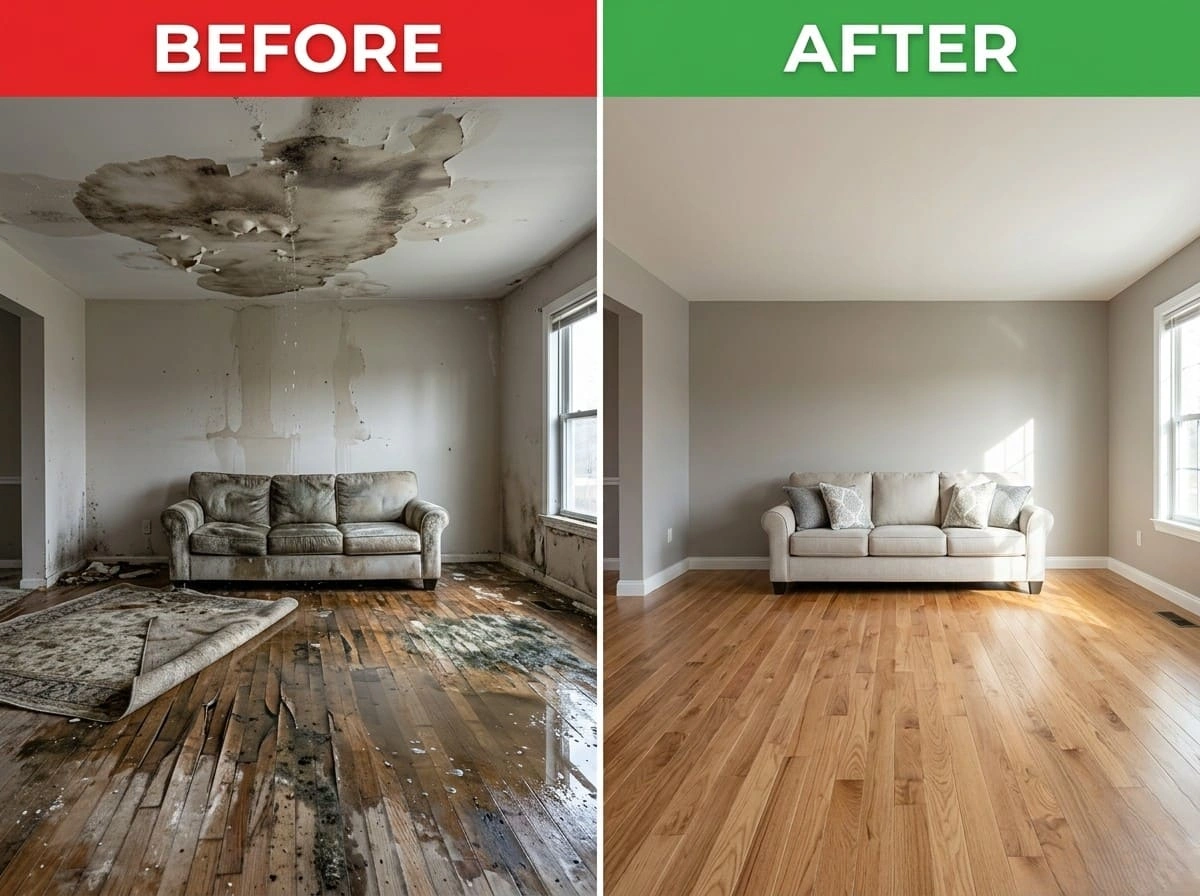
A successful water-damage project is not defined only by removing standing water. The goal is to return the affected area to a safe, dry, functional, and finished condition while helping the owner understand what happened and how to reduce the likelihood of the same problem returning.
Typical Water Damage Transformation Outcomes
Wet carpet, soaked pad, swollen baseboards, and water moving through a finished basement.
Extracted water, verified drying, repaired materials, and restored flooring or finished-space components.
A burst pipe causes ceiling staining, wet insulation, soft drywall, and water-damaged flooring.
Source stabilized, affected materials evaluated, damaged sections repaired, and the room reconstructed.
Sewage or drain backup leaves contaminated porous materials and serious sanitation concerns.
Appropriate cleanup measures, removal decisions, drying, documentation, and reconstruction of the affected area.
Water enters through a window well or drainage path during heavy rain.
Basement area dried, damaged finishes repaired, and prevention recommendations provided for drainage, window-well, or sump-system concerns.
How We Dry, Repair, and Reconstruct Water-Damaged Longmont Properties
Restoration methods are selected based on the water source, building materials, moisture conditions, and safety requirements.
Mont Long Restoration uses a condition-based approach rather than assuming every material must be removed or every wet surface can be saved. The right service method depends on the water category, duration of exposure, extent of migration, material type, structural condition, accessibility, and whether the material can be adequately cleaned and dried.
Water Damage Restoration Methods
- Moisture meters and inspection methods to identify affected materials
- Moisture mapping to track walls, floors, ceilings, insulation, cabinetry, and structural components
- Water extraction equipment for standing water in basements, carpeted rooms, crawl spaces, and other affected areas
- Air movement and dehumidification methods selected for the material and drying environment
- Controlled removal of compromised drywall, insulation, flooring, padding, trim, or cabinetry where necessary
- Containment and protective measures when contamination concerns require controlled work practices
- Cleaning and sanitation methods appropriate to the water source and material condition
- Drywall replacement, ceiling repair, flooring work, trim installation, painting, cabinetry coordination, and other reconstruction services
- Clear documentation of observed conditions, completed work, and recommended next steps
Installation and Reconstruction Practices
- Materials selected to match the repair scope, building condition, and finished-space requirements
- Rebuilding scheduled after the affected area reaches appropriate drying goals
- Replacement work coordinated to reduce unnecessary disruption to occupied homes and businesses
- Access, clearances, and building requirements reviewed when reconstruction affects mechanical, electrical, plumbing, structural, or permit-related conditions
Longmont advises property owners that repairs beyond basic cleanup may require permits and that structural changes can require professional design or review.
Should You Repair Water-Damaged Materials or Replace Them?
Mont Long Restoration helps Longmont property owners make decisions based on moisture condition, contamination, material performance, and long-term durability.
The correct approach is not automatically "tear everything out" or "dry everything in place." Some materials can be restored if they are promptly addressed, structurally sound, and capable of being dried and cleaned appropriately. Other materials may need removal because of swelling, delamination, contamination, retained moisture, odor, structural weakness, or inability to verify an acceptable drying condition.
| Material or Scenario | Repair / Drying May Be Recommended | Replacement May Be Recommended |
|---|---|---|
| Limited clean-water drywall exposure | Material is stable, drying is feasible, and moisture can be verified | Drywall is swollen, soft, contaminated, deteriorated, or retains moisture |
| Wet insulation | Limited exposure and material can be evaluated appropriately | Fibrous insulation is saturated, contaminated, inaccessible, or unable to dry reliably |
| Carpet and carpet pad | Clean-water event, fast extraction, limited exposure, and successful drying | Sewage/floodwater exposure, prolonged saturation, odor, damaged backing, or contaminated pad |
| Hardwood flooring | Prompt stabilization, limited cupping, and viable moisture recovery | Severe buckling, delamination, contamination, or structural deterioration |
| Vinyl plank or laminate flooring | Product and subfloor can be assessed after limited clean-water exposure | Water is trapped below flooring, edges swell, joints fail, or subfloor moisture persists |
| Cabinets and vanities | Surface-level, limited exposure with stable materials | Swollen particleboard, delamination, trapped moisture, damaged bases, or sewage exposure |
| Ceiling assemblies | Minor, contained leak with stable materials and successful drying | Sagging ceiling, wet insulation, structural compromise, staining, contamination, or ongoing leak damage |
When Replacement Is Often the Better Long-Term Option
- The material is contaminated by sewage, external floodwater, or other unsafe water sources
- Drywall, insulation, flooring, or cabinetry is swollen, broken down, or structurally compromised
- Moisture remains trapped in inaccessible cavities or beneath finished materials
- Repeated leaks, poor prior repairs, or mold-related conditions have damaged the assembly
- The affected material cannot be safely cleaned, dried, or returned to dependable condition
Water Damage Repair and Reconstruction Costs in Longmont, CO
Transparent estimates begin with the actual cause, affected materials, drying requirements, and reconstruction scope.
No two water-damage projects have the same cost because no two losses affect a property in exactly the same way. A small clean-water leak may require localized drying and drywall repair, while a basement flood, sewage backup, burst pipe, or hidden leak beneath flooring may involve extraction, drying equipment, controlled demolition, sanitation, disposal, and substantial reconstruction.
Mont Long Restoration provides a clear assessment of the work needed and explains the factors that influence the final cost.
Main Cost Drivers
- Source of water: supply leak, appliance overflow, roof leak, sewer backup, stormwater, or external floodwater
- Water category and contamination conditions
- Number of affected rooms, levels, units, or commercial areas
- Amount of standing water and extent of moisture migration
- Flooring type, drywall condition, insulation, cabinetry, ceilings, trim, and structural materials affected
- Accessibility of crawl spaces, wall cavities, subfloors, ceilings, mechanical rooms, and basement areas
- Required extraction, drying duration, monitoring, sanitation, containment, removal, and disposal
- Scope of drywall, flooring, ceiling, painting, cabinetry, or basement reconstruction
- Emergency dispatch needs versus planned reconstruction work
- Permit, building, or property-management requirements where applicable
| Service Type | Typical Cost Considerations |
|---|---|
| Emergency Water Extraction | Water volume, affected area, access, flooring, and urgency |
| Structural Drying | Moisture extent, affected materials, equipment needs, monitoring duration |
| Sewage Backup Cleanup | Contamination level, removal needs, sanitation requirements, affected porous materials |
| Drywall and Ceiling Repair | Area size, insulation impact, finish matching, paint, and structural condition |
| Flooring Repair or Replacement | Material type, subfloor moisture, room size, transitions, and matching requirements |
| Basement Reconstruction | Scope of demolition, drying, insulation, drywall, flooring, electrical, finishes, and permit considerations |
| Commercial Water Damage Repair | Business interruption needs, number of units, work sequencing, safety controls, and access requirements |
Cost Note: Insurance coverage depends on the source of the loss, your policy language, deductibles, exclusions, endorsements, and the insurer's review. Mont Long Restoration can provide documentation and repair information, but we do not determine coverage.
Which Longmont Properties Need Professional Water Damage Repair?
If water has entered building materials, professional assessment can help prevent hidden damage and costly rebuilding later.
You may need water damage repair and reconstruction services when visible water, damp materials, a musty odor, staining, flooring movement, ceiling damage, or recurring moisture suggests that a leak or intrusion has affected more than the surface area.
Call for Assessment If You Have
- A burst or frozen pipe, active plumbing leak, or water heater failure
- Water in a basement after rain, snowmelt, runoff, sump-pump failure, or window-well intrusion
- A toilet overflow, sewer backup, drain backup, or sewage smell
- Water leaking through a ceiling, wall, roof, or light fixture
- Wet carpet, soaked padding, warped flooring, or water beneath vinyl, laminate, or hardwood
- Swollen baseboards, bubbling paint, peeling walls, soft drywall, or damaged cabinets
- A washing machine overflow, dishwasher leak, refrigerator line leak, or appliance supply-line failure
- Water beneath cabinets, around a kitchen island, behind a shower wall, or under flooring
- Commercial water damage affecting offices, tenant spaces, retail areas, inventory, or building operations
- A prior water-loss area that still smells musty, shows staining, or has recurring material damage
Safety Warning: If sewage is backing up in your Longmont property, do not treat it like an ordinary clean-water leak. Keep people and pets away from the area, avoid contact with contaminated materials, and arrange for professional assessment and cleanup.
Water Damage Repair for Commercial & Multi-Unit Properties in Longmont
Protect operations, occupants, tenants, inventory, and building value with a structured recovery plan.
Commercial water damage can create immediate operational consequences: closed work areas, unsafe flooring, damaged inventory, tenant complaints, disrupted utilities, affected customer spaces, and documentation demands from ownership groups or insurers. Mont Long Restoration coordinates emergency stabilization, drying, reporting, and reconstruction around the needs of commercial properties.
We work with property owners, facility managers, maintenance teams, HOAs, landlords, and commercial tenants to create practical restoration plans.
| Commercial Service | Description |
|---|---|
| Emergency Water Extraction | Standing-water removal and immediate stabilization for active losses |
| Structural Drying | Moisture assessment and drying of walls, floors, ceilings, insulation, and affected structural areas |
| Sewage Backup Cleanup | Controlled cleanup, sanitation, removal decisions, and reconstruction planning after contaminated water events |
| Commercial Reconstruction | Drywall, ceiling, flooring, trim, paint, cabinetry, and affected-space repair |
| Multi-Unit Coordination | Work sequencing for apartments, condos, HOAs, and tenant-occupied properties |
| Documentation Support | Photos, moisture records, estimates, invoices, work summaries, and insurer/property-management communication support |
Commercial Properties We Serve
Why Commercial Owners Choose a Coordinated Restoration Partner
- Faster stabilization for water losses that affect tenants, employees, visitors, customers, or inventory
- Clear documentation for ownership groups, insurers, facility files, and repair planning
- Phased work approaches designed to limit avoidable disruption
- One coordinated path from emergency water removal to reconstruction completion
| Commercial Project Type | Typical Considerations |
|---|---|
| Multi-Unit Water Damage | Unit access, tenant communication, shared plumbing, scheduling, and finish matching |
| Retail or Office Loss | Customer safety, business continuity, inventory exposure, and phased repair |
| Restaurant or Hospitality Loss | Sanitation, food-service impacts, guest safety, back-of-house access, and quick recovery |
| Medical or Professional Facility Loss | Sensitive areas, cleanable surfaces, access requirements, and continuity planning |
| Warehouse or Industrial Loss | Equipment, stored materials, large-area drying, safety plans, and operational coordination |
Benefits of Hiring Water Damage Repair Professionals in Longmont
Proper water extraction, structural drying, documentation, and reconstruction help protect your property from avoidable secondary damage.
Professional water damage restoration helps property owners make informed decisions after a stressful event. Instead of guessing whether a wall is dry, whether flooring can be saved, or whether a sewer backup created contamination concerns, you receive an assessment based on the source, material condition, moisture findings, and reconstruction needs.
Benefits of Professional Water Damage Repair
Helps reduce additional water migration into walls, floors, cabinets, ceilings, and structural cavities
Identifies moisture that may not be visible from the surface
Supports safer cleanup decisions after sewage backup, toilet overflow, or external floodwater
Helps determine what can be dried and restored versus what needs replacement
Creates documentation useful for insurance communication and property records
Coordinates emergency mitigation with drywall, flooring, ceiling, paint, trim, cabinet, and basement reconstruction
Reduces uncertainty for homeowners, businesses, HOAs, landlords, and facility managers
Provides prevention recommendations after the immediate damage has been addressed
Why DIY Water Damage Cleanup Can Be Dangerous
Standing water, electrical exposure, unstable ceilings, sewage contamination, and hidden moisture require careful decisions.
Some minor clean-water spills can be dried by the property owner. However, active leaks, extensive water intrusion, water near electrical equipment, sewage backup, external floodwater, collapsed ceilings, saturated flooring, or hidden moisture behind finishes can create conditions that are not safe for ordinary DIY cleanup.
Do not enter standing water if electrical outlets, appliances, wiring, extension cords, or panels may be affected.
Do not touch sagging ceilings or attempt to puncture them without understanding the risk of sudden collapse or hidden electrical hazards.
Do not use a household vacuum, standard fan, or unprotected equipment around sewage-contaminated water.
Keep children, pets, customers, and unprotected occupants away from sewage, floodwater, and unstable materials.
Avoid removing drywall, insulation, carpet pad, or flooring before documenting the condition for insurance unless immediate safety conditions require action.
Do not assume a room is dry because the floor surface feels dry; water can remain behind baseboards, under flooring, in insulation, or inside wall cavities.
If you smell sewage, experience multiple drains backing up, or see wastewater entering the basement, stop using plumbing fixtures when possible and seek professional help.
Answers to Common Water Damage Questions in Longmont
Clear answers for homeowners, property managers, businesses, and anyone facing an active water-loss situation.
What should I do first when my Longmont basement floods?
If it is safe, stop the water source or move belongings away from the affected area. Avoid standing water near electrical equipment, document visible damage with photos, and call for professional water extraction. If sewage or external floodwater is present, keep people and pets away from the area.
Should I turn off electricity if there is water on the floor?
Do not enter water to reach electrical equipment. If you can safely shut off power without approaching standing water, follow your property's safety procedures. Otherwise, contact qualified emergency help or an electrician as needed. Water near outlets, panels, appliances, or wiring can be dangerous.
How quickly should water be extracted after a burst pipe?
Water extraction should begin as soon as practical after the source is controlled. Fast action can help reduce water migration into drywall, insulation, flooring, cabinets, and structural materials. The full drying timeline depends on the materials, moisture extent, and conditions at the property. Learn more about our burst pipe cleanup services.
Can wet drywall be dried, or does it need to be replaced?
It depends on the water source, amount of saturation, material condition, contamination level, accessibility, and whether drying can be verified. Swollen, soft, contaminated, deteriorated, or persistently wet drywall often requires removal and replacement.
Can water-damaged hardwood floors be saved?
Some hardwood floors can be stabilized and dried after a clean-water event if action is taken quickly and the flooring has not severely buckled, delaminated, or become contaminated. An assessment is needed to determine whether restoration or replacement is more appropriate.
How do you know if water is behind drywall or under flooring?
Professionals use moisture-checking methods and visual assessment to evaluate walls, flooring, baseboards, cabinetry, ceilings, insulation, and other materials. Moisture mapping helps identify areas requiring drying, monitoring, removal, or reconstruction.
How long does structural drying take after water damage?
There is no reliable one-size-fits-all timeline. Drying duration depends on the water source, temperature, humidity, material type, amount of water, air movement, dehumidification, concealed moisture, and the property's construction. Monitoring helps determine when drying goals have been reached. See our structural drying services.
What is the difference between water mitigation, restoration, and reconstruction?
Mitigation focuses on stopping additional damage through extraction, stabilization, drying, cleaning, and removal decisions. Restoration refers broadly to returning the property toward its pre-loss condition. Reconstruction is the rebuilding phase, such as replacing drywall, insulation, flooring, ceilings, trim, paint, cabinets, and damaged room finishes.
Does homeowners insurance cover burst-pipe water damage in Colorado?
Coverage depends on your specific policy, the cause of the pipe failure, maintenance history, exclusions, endorsements, deductibles, and insurer review. Sudden and accidental discharge may be treated differently from gradual leaks, neglect, floodwater, or sewer backup. Review your policy and speak with your insurer or agent.
Does insurance cover sewer backup in Longmont?
Many policies require separate water-backup or sewer-backup coverage. Coverage depends on policy language, endorsements, cause of loss, and the insurer's determination. A restoration company can document conditions and completed work but cannot guarantee coverage.
Is a sewer backup in Longmont the City's responsibility or the homeowner's responsibility?
The cause matters. Longmont explains that a sewer backup can originate in either the City main or a private service line. Property owners are generally responsible for the private sewer service line between the building and the City main. If the backup happens only when the property uses water, the issue may be in the private line. Contact Longmont Water Utilities or appropriate local authorities if a City-main problem is suspected, and arrange professional cleanup if sewage has entered the property.
Does standard homeowners insurance cover floodwater?
Standard homeowners insurance typically does not cover a true flood loss. Flood insurance is separate, and coverage questions depend on the policy and source of water. Longmont's flood guidance advises residents that flood insurance differs from ordinary homeowners coverage.
Can you repair my property after the drying equipment is removed?
Yes. Mont Long Restoration provides water damage repair and reconstruction services that can include drywall, insulation, flooring, ceilings, trim, paint, cabinets, and affected basement or finished-space repairs.
Why did the restoration company remove my drywall, baseboards, carpet pad, or insulation?
These materials may be removed if they are contaminated, swollen, structurally compromised, unable to dry properly, retaining moisture, or preventing access to wet building materials. The reason should be explained in the documented scope of work.
Can I stay in my home during water damage reconstruction?
That depends on the affected area, water category, safety conditions, noise, dust, access to bathrooms and kitchens, electrical conditions, and the scale of reconstruction. A small contained repair may allow occupancy, while sewage contamination, major basement reconstruction, unsafe ceilings, or widespread drying equipment may require temporary adjustments.
Do I need a permit to rebuild after flood damage in Longmont?
Some repair or reconstruction work may require permits, especially if it extends beyond cleanup or involves structural, electrical, plumbing, mechanical, floodplain, or other regulated work. The City of Longmont advises residents to determine permit requirements for repairs beyond basic cleanup.
Can you help if water entered through a basement window well after heavy rain?
Yes. We can assess affected basement materials, extract water, map moisture, dry the area, identify reconstruction needs, and provide recommendations related to window wells, drainage, runoff, sump systems, or other conditions contributing to the intrusion.
Clear Guidance from Emergency Water Removal Through Reconstruction
Responsive support, documented work, and a practical plan for restoring your Longmont property.
Mont Long Restoration is committed to giving property owners a clear explanation of their water damage condition, the work recommended, the materials affected, and the steps required to move from emergency mitigation into repair and reconstruction.
We focus on communication, documented work, appropriate drying decisions, and a reconstruction scope that reflects the actual condition of the property. Warranty terms for labor, repairs, installed materials, and replacement products should be provided in writing for the applicable project.
Our Service Commitment
- Explain the difference between emergency mitigation and reconstruction before work begins
- Identify visible and hidden moisture before rebuilding affected areas
- Provide clear documentation of observed conditions and completed work
- Discuss repair, removal, and replacement decisions in understandable language
- Coordinate water damage repair and reconstruction around the needs of the property
- Provide project-specific workmanship and product warranty information in writing where applicable
1205 S Main St
Longmont, CO 80501
United States
Credentials That Support Professional Water Damage Repair and Reconstruction
Restoration knowledge, drying expertise, microbial awareness, and contractor capabilities matter after a water-loss event.
Water damage work requires more than general cleanup knowledge. The appropriate response may involve water-source assessment, moisture evaluation, drying science, contamination controls, documentation, material removal, and reconstruction coordination.
Mont Long Restoration's listed qualifications support work across water damage mitigation, structural drying, microbial-risk awareness, emergency cleanup, and reconstruction planning.
Certifications and Credentials
WRT
Water Damage Restoration Technician
ASD
Applied Structural Drying
AMRT
Applied Microbial Remediation Technician
CR
Certified Restorer
Class C License
Local Municipal / General Contractor License
Insured
Appropriate business insurance coverage for restoration and reconstruction operations
Credentials, licensing, insurance, and scope of authority should be confirmed for the specific project, trade work, permit requirement, and location before work begins.
Emergency Water Damage Repair in Longmont, CO
Fast response when water is actively damaging your home, business, basement, ceiling, floors, or building materials.
Water emergencies can happen at night, during freezing weather, after storms, over weekends, or while a property is vacant. A burst pipe can continue releasing water, an appliance supply line can flood a kitchen, a sump pump can fail during heavy rain, and a sewer backup can make a basement unsafe to enter.
Mont Long Restoration provides 24/7 emergency water damage response across Longmont and surrounding communities.
Emergency Response Process
- Immediate phone consultation to identify safety concerns and active water-loss conditions
- Guidance on safe source control when possible, such as shutting off water without entering a hazardous area
- Dispatch planning based on the water source, affected rooms, standing water, sewage exposure, and property type
- On-site assessment, extraction, moisture inspection, drying setup, and stabilization planning
- Documentation for insurance, property-management, or reconstruction planning needs
- Clear explanation of next steps after the emergency portion of the work is complete
Emergency Situations We Handle
Insurance Claim Assistance for Water Damage Repair and Reconstruction
Clear photos, moisture records, work documentation, and repair information can help you navigate the claims process.
Insurance claims after water damage can be confusing because coverage may depend on the source of water, the timing of the loss, policy exclusions, endorsements, deductibles, maintenance history, and insurer determination. Mont Long Restoration does not decide whether a claim is covered, but we can help document the conditions and work performed.
Insurance Documentation Support May Include
- Initial assessment notes describing visible conditions and the reported source of loss
- Photos and video documentation of affected rooms, materials, water migration, and damage
- Moisture mapping records and drying documentation where applicable
- Extraction, mitigation, sanitation, removal, repair, and reconstruction estimates
- Invoices and work summaries for completed services
- Documentation of material condition, removal rationale, and recommended reconstruction work
- Communication support with adjusters or property representatives when authorized by the customer
Policy Note: Coverage depends on your individual policy terms, exclusions, deductibles, endorsements, the cause of loss, and the insurer's decision. A burst pipe, gradual plumbing leak, sewer backup, sump overflow, roof leak, and true external floodwater may be handled differently under insurance policies.
For example, Longmont's flood-preparedness guidance states that standard homeowners insurance generally does not cover flood losses, which may require separate flood insurance.
Warranty Information for Water Damage Repair and Reconstruction
Know what is covered after repairs, material replacement, and reconstruction work are completed.
Mont Long Restoration provides project-specific warranty information for applicable repair and reconstruction work. Warranty coverage can vary based on the type of work, material manufacturer, existing building conditions, water source, pre-existing damage, maintenance requirements, and the specific products installed.
| Coverage Type | Description |
|---|---|
| Workmanship | Project-specific warranty terms for eligible installation and repair labor |
| Parts and Materials | Manufacturer warranties for eligible products and materials installed during reconstruction |
| Reconstruction Work | Written warranty details for applicable drywall, flooring, trim, paint, cabinetry, or other completed repairs |
| Documentation | Project records that identify completed work, installed materials, and relevant warranty information |
Important Warranty Notes
- Warranty details should be provided in writing for the specific project.
- Manufacturer warranties may have separate registration, maintenance, and exclusion requirements.
- Warranties generally do not cover new water intrusion, unrelated plumbing failures, flood events, unresolved drainage conditions, or damage caused by conditions outside the completed scope of work.
- Promptly report concerns related to completed work so the condition can be reviewed.
10 Fully Equipped Service Vehicles Supporting Water Damage Response
Equipment, restoration tools, and trained professionals ready to respond across Longmont and the Front Range.
Mont Long Restoration operates with 10 fully equipped service vans to support emergency response, water extraction, structural drying, moisture assessment, controlled cleanup, and reconstruction planning. The goal is to begin stabilizing the property quickly and reduce delays between the first assessment and the next necessary step.
Fleet and Equipment Support
GPS-dispatched service vehicles for response across Longmont and surrounding communities
Water extraction equipment for active water-loss conditions
Moisture-checking tools and assessment equipment for walls, floors, ceilings, cabinets, and structural areas
Drying and dehumidification equipment for appropriate structural drying plans
Protective materials and containment resources for conditions requiring controlled cleanup
Common restoration supplies to begin stabilization and prepare affected areas for drying or reconstruction
Service capacity for residential homes, commercial buildings, multi-unit properties, and property-management portfolios
Flexible Payment Options for Water Damage Repair and Reconstruction Projects
Help planning for significant repair, rebuilding, and property-restoration work.
A major water-damage event can create unexpected repair needs, especially when drywall, insulation, flooring, ceilings, cabinetry, or finished basements require reconstruction after mitigation is complete. Mont Long Restoration can discuss available payment options, project phasing, and reconstruction planning for qualifying projects.
Financing and Payment Discussion Topics
- Payment options for larger reconstruction scopes
- Phased rebuilding plans where appropriate for occupied properties or commercial facilities
- Coordination between insurance proceeds, deductibles, owner responsibilities, and repair scope
- Clear explanation of project estimates, payment timing, and change-order procedures
- Options for multi-unit, commercial, or property-management reconstruction projects
Financing availability, approval requirements, terms, interest, fees, and eligibility depend on the specific program or provider. Ask for current written information before making a financing decision.
Recognition for Water Damage Restoration and Customer Service
Local recognition can reflect consistent service, but accuracy and transparency matter.
Mont Long Restoration may display verified recognition connected to water damage restoration, emergency response, customer service, local business participation, and community support. Awards should identify the issuing organization, award title, applicable year, and any relevant qualification details.
Awards and Recognition
Angi Super Service Award
Boulder County Gold Award
Longmont Area Chamber of Commerce Business of the Year
Nextdoor Neighborhood Fave
The Best of Longmont Award
Only current, documented, and accurately named recognitions should be displayed on the live page. Award logos, dates, categories, and issuing organizations should match the underlying proof.
Senior and Military Discounts on Eligible Water Damage Services
Supporting Longmont seniors, military members, veterans, and qualifying households during unexpected property emergencies.
A water-damage emergency can create financial stress at any stage of life. Mont Long Restoration may provide special discounts for qualifying senior citizens, active-duty military members, veterans, and eligible households when available.
Potential Discount Opportunities
Senior discount on qualifying water damage assessments or restoration services
Military and veteran discount for eligible emergency water damage work
Seasonal promotions related to extraction, drying, or reconstruction services
Bundle savings when eligible mitigation and reconstruction work are completed as part of the same project
Property-specific promotional offers subject to service scope and availability
Discount eligibility, exclusions, maximum values, required verification, and expiration dates should be explained in writing before work begins. Emergency conditions, insurance requirements, materials, subcontracted work, and permit costs may be excluded from certain offers.
Water Damage Repair Hours in Longmont, CO
24/7 emergency response for water removal, drying, cleanup, repair, and reconstruction planning.
Burst pipes, basement flooding, toilet overflows, water-heater leaks, appliance failures, roof leaks, and stormwater intrusion do not wait for regular business hours. Mont Long Restoration operates around the clock to support Longmont property owners facing active water damage.
| Day | Emergency Water Damage Service Hours |
|---|---|
| Monday | 00:00–23:59 (24 Hours) |
| Tuesday | 00:00–23:59 (24 Hours) |
| Wednesday | 00:00–23:59 (24 Hours) |
| Thursday | 00:00–23:59 (24 Hours) |
| Friday | 00:00–23:59 (24 Hours) |
| Saturday | 00:00–23:59 (24 Hours) |
| Sunday | 00:00–23:59 (24 Hours) |
Contact Mont Long Restoration
- Phone: +1 (720) 438-7100
- Email: montlongrestoration@gmail.com
- Website: waterdamagerestorationlongmontco.com
- Address: 1205 S Main St, Longmont, CO 80501
Mont Long Restoration vs. Mitigation-Only Water Damage Providers
Understand the difference between removing visible water and managing the full recovery of your property.
Not every water damage provider offers the same scope. Some companies focus only on extraction or drying, while property owners must locate separate contractors for drywall, ceilings, flooring, insulation, paint, trim, cabinet repairs, and rebuilding work. Mont Long Restoration is positioned to support the full recovery path from emergency stabilization through reconstruction.
| Feature | Mont Long Restoration | Mitigation-Only Provider |
|---|---|---|
| Emergency Water Extraction | Emergency water removal and stabilization planning | May provide extraction only |
| Moisture Assessment | Moisture mapping and drying evaluation before rebuilding | Scope may focus only on visible water |
| Structural Drying | Drying and monitoring of affected building materials | May vary by provider and project scope |
| Reconstruction Planning | Drywall, ceiling, flooring, trim, paint, cabinet, and basement repair planning | Customer may need to hire separate contractors |
| Insurance Documentation | Photos, work records, estimates, invoices, and drying documentation support | Documentation level may vary |
| Commercial Coordination | Support for property managers, tenants, commercial sites, and multi-unit properties | May focus primarily on residential emergency work |
| Availability | 24/7 emergency water damage response | Hours and response availability vary |
The best provider for your property is one that clearly explains the source of damage, the safety concerns, the drying process, the materials decision, the reconstruction scope, and the documentation available for your records or insurer.
Contact Mont Long Restoration for Water Damage Repair in Longmont, CO
Speak with a water damage restoration professional about emergency extraction, structural drying, cleanup, insurance documentation, or reconstruction.
If your property has water in the basement, a burst pipe, ceiling leak, appliance overflow, sewage backup, sump-pump failure, wet flooring, damaged drywall, or storm-related water intrusion, Mont Long Restoration is ready to help you understand the next step.
We provide practical guidance from the initial call through moisture assessment, extraction, drying, repair decisions, documentation, and complete reconstruction planning.
Contact Details
Mont Long Restoration
(720) 438-7100
Water Damage Repair & Reconstruction
1205 S Main St
Longmont, CO 80501
24 hours a day, 7 days a week
Protect your home, business, basement, flooring, walls, ceilings, and belongings with professional water damage restoration Longmont CO property owners can turn to for emergency response, verified drying, insurance-support documentation, and complete reconstruction.