Emergency Water Removal & Extraction in Longmont, CO
Longmont emergency water removal to remove standing water, locate hidden moisture, and begin professional drying.
When you search for "water in the basement," "burst pipe flooding house," "sewer backing up," or "who do I call for water damage," you need practical help—not vague advice. Mont Long Restoration provides emergency water removal, water extraction, moisture inspection, structural drying, cleanup, and water damage repair planning for properties across Longmont and the Front Range.
Our team responds to water emergencies caused by burst pipes, frozen lines, appliance leaks, water-heater failures, overflowing toilets, wet carpets, roof leaks, stormwater intrusion, sump-pump failures, and sewer backups. Water extraction means more than removing visible puddles. The goal is to remove standing water, identify moisture beneath flooring and inside wall cavities, dry affected materials, and help limit additional damage.
- Standing-water removal for basements, utility rooms, carpets, crawl spaces, floors, and commercial interiors
- Moisture inspection for water behind walls, under flooring, and around cabinets or appliances
- Structural drying and dehumidification after pipe leaks, overflows, floods, and water intrusion
- Available 24/7 for urgent water damage cleanup across Longmont and nearby Front Range communities
Call (720) 438-7100 for 24/7 emergency water extraction and drying help in Longmont.
Request Emergency Water Removal
Fill out the form and we'll contact you immediately!
Emergency Water Extraction Backed by Local Restoration Experience
A water damage team focused on urgent cleanup, careful drying, and clear next steps.
Water damage is not a surface-cleaning problem. Even after visible water is removed, moisture may remain under carpet and padding, inside drywall, beneath flooring, in insulation, around cabinets, and within structural materials. That trapped moisture can contribute to odor, material damage, and difficult recovery decisions if it is not assessed and dried properly.
Mont Long Restoration helps property owners address the complete mitigation process: emergency water removal, moisture mapping, drying equipment setup, monitoring, documentation, and water damage repair or reconstruction planning when materials cannot be restored.
Serving Longmont, Boulder County, and surrounding Front Range communities
24/7 emergency availability for active water damage situations
Residential, multi-family, HOA, commercial, and facility water-damage support
Service options for extraction, drying, cleanup, damaged-material assessment, and reconstruction planning
A local Longmont location at 1205 S Main St, Longmont, CO 80501
Water Extraction Near Longmont Neighborhoods, Landmarks & Business Areas
Serving properties throughout Downtown Longmont, Prospect New Town, the St. Vrain Valley, and surrounding communities.
A water emergency can happen in a finished basement near McIntosh Lake, a historic home near Downtown Longmont, a rental property around Prospect New Town, an office near Main Street, or a commercial space close to Ken Pratt Boulevard. Mont Long Restoration provides emergency water removal and water damage cleanup throughout the city, with service tailored to the source of water and the affected materials.
Whether the issue began with a plumbing failure, an appliance overflow, a roof leak, a wet crawl space, a sump-pump failure, storm runoff, or a sewer backup, the priorities remain the same: protect people, stop the source when safe, remove standing water, locate hidden moisture, and begin controlled structural drying.
Longmont Neighborhoods & Communities
Nearby Cities Served
Local Areas & Landmarks
Specialized Water Extraction, Moisture Mapping & Structural Drying
Longmont specialists focused on standing water, hidden moisture, and complete drying—not just the visible surface.
A shop vacuum, towels, fans, or a household dehumidifier may help with a very small clean-water spill, but they do not confirm whether water has migrated beneath flooring, into wall cavities, behind baseboards, inside insulation, or into subflooring. Emergency water extraction requires a methodical approach that considers the water source, the amount of water, affected materials, duration of exposure, contamination concerns, and electrical safety.
Mont Long Restoration focuses on water damage mitigation work: extracting water, inspecting moisture pathways, setting drying equipment, monitoring material conditions, and identifying where repair or reconstruction may be needed after drying.
Why Professional Water Removal Matters
- Moisture can remain behind walls and under flooring after the room appears dry
- Saturated carpet padding, drywall, insulation, and engineered materials may require different recovery decisions
- Sewer backup water and other contaminated water require safer handling than a clean supply-line leak
- Ceiling leaks, wet electrical areas, and water near appliances can create safety hazards
- Prompt water extraction and structural drying can help reduce avoidable secondary damage
What Happens When Water Enters Your Longmont Property?
Common water emergencies, hidden moisture problems, and why quick action matters.
Water can travel far beyond the point where it first appears. A leaking refrigerator line may wet cabinetry and subflooring. A washing-machine overflow may move beneath flooring and into adjacent rooms. A burst pipe inside a wall can saturate insulation and drywall before the leak becomes visible. A toilet overflow or sewer backup can create contamination concerns that require different cleanup procedures.
The source of the water matters. Clean water from a supply line, water from an appliance, rainwater, groundwater, stormwater, and sewage-contaminated backup water can require different safety precautions and recovery plans.
Common Water-Damage Risks
- Water spreading below carpet, vinyl, laminate, hardwood, and other flooring
- Wet drywall, insulation, baseboards, cabinets, and structural framing
- Electrical hazards where water reaches outlets, appliances, wiring, or service panels
- Odor, staining, swelling, warping, and material deterioration
- Contamination concerns after toilet overflows, drain backups, or sewage intrusion
- Interrupted operations for offices, retail locations, restaurants, rental properties, and other facilities
- Uncertainty about insurance documentation, repair scope, and responsible parties
Prevent Larger Losses With Water-Damage Readiness Planning
Practical preparation for Longmont homes, rental properties, HOAs, and commercial facilities.
Emergency water removal is often needed without warning, but preparing for common water-loss events can make the first hour less chaotic. Property owners and facility managers can reduce response delays by knowing where the main water shutoff is located, maintaining access to drains and utility rooms, checking vulnerable appliances, and having an emergency contact plan.
For commercial properties, HOAs, and multi-unit buildings, water-damage readiness also includes identifying responsible contacts, documenting unit locations, keeping maintenance records, and maintaining clear access to mechanical rooms, shutoff valves, and affected areas.
| Preparedness Task | What It Involves | Recommended Timing | Why It Matters |
|---|---|---|---|
| Main water shutoff review | Identify the main shutoff and fixture shutoff valves | At move-in and annually | Helps stop an active plumbing leak faster |
| Appliance-hose inspection | Check washing-machine, dishwasher, refrigerator, and water-heater connections | Periodically | Helps identify aging or visibly damaged connections |
| Sump-pump check | Confirm the pump, discharge route, and power source are functioning | Before wetter seasons | Helps reduce risk from pump failure and drainage issues |
| Roof and drainage review | Watch for roof damage, clogged drainage paths, and water-entry points | Seasonal | Can identify potential stormwater entry pathways |
| Emergency contact list | Keep restoration, plumbing, utility, insurance, and property-management contacts available | Update annually | Reduces decision time during an active water event |
| Documentation plan | Know how to take photos and note damage before moving items when safe | Before an incident | Supports clear communication and insurance documentation |
Seasonal Planning Points
- Before winter, protect exposed plumbing and address areas vulnerable to freezing
- Before spring and summer storms, check drainage paths, sump systems, and low-lying areas
- Before leaving town, consider checking water connections, appliance hoses, and vulnerable plumbing
- For commercial sites, coordinate emergency-access instructions with managers, tenants, and maintenance teams
Readiness note: A frozen pipe may not visibly leak until temperatures rise and the line thaws. A small drip can also become a more serious water-extraction issue when water collects behind walls, under flooring, or inside enclosed spaces.
Who Needs Emergency Water Removal in Longmont?
From a single wet room to multi-unit and commercial water-loss situations.
Emergency water extraction may be needed whenever water is standing, spreading, trapped beneath materials, or creating a safety or contamination concern. Mont Long Restoration serves property owners, managers, tenants, and facilities dealing with both small contained leaks and larger water-loss events.
How Longmont Weather, Plumbing, and Drainage Conditions Affect Water Damage
Freeze-thaw cycles, storms, creek corridors, roof leaks, and equipment failures can create different water-loss scenarios.
Longmont properties experience seasonal conditions that can affect plumbing, drainage, roofs, sump systems, crawl spaces, and exterior water pathways. Winter freeze-thaw cycles can contribute to frozen or burst pipes. Warmer weather may reveal leaks after frozen lines thaw. Heavy rain, storm runoff, drainage issues, or sump-pump failures can lead to water entering basements and lower-level areas.
Longmont's flood planning recognizes the importance of St. Vrain Creek and Left Hand Creek, but flood risk is property-specific. Property owners who want to evaluate a particular address should use the City's Floodplain Inquiry Map rather than assume a home is or is not in a floodplain.
Winter
Frozen lines, burst pipes, ice dams, roof leaks, and plumbing leaks discovered during thawing
Spring
Snowmelt, rainfall, drainage changes, sump-pump activity, and water entering lower-level spaces
Summer
Severe storms, roof leaks, appliance demand, air-conditioning condensation, and swamp-cooler leaks
Fall
Drainage concerns, roof maintenance issues, and preparation for colder temperatures
Common Water Emergencies We Handle in Longmont
The source of the water affects safety, extraction, cleanup, and drying decisions.
Not all water damage is the same. The water source, location, amount of water, affected materials, and time before drying begins influence the recovery plan. Mont Long Restoration evaluates the event itself—not just the visible puddle—to determine appropriate water removal and structural drying steps.
| Water Emergency Type | Common Signs | Main Concern | Typical Next Step |
|---|---|---|---|
| Burst or leaking pipe | Water spraying, dripping, wet walls, ceiling stains, reduced pressure | Rapid spread through walls, ceilings, and floors | Stop water source, extract, inspect hidden moisture |
| Frozen pipe leak | No water flow followed by leaking during thaw | Split pipe or fitting may release water later | Source repair coordination and drying |
| Appliance overflow | Washing machine, dishwasher, refrigerator, or supply-line leak | Water under flooring, cabinetry, or adjacent rooms | Extract and inspect surrounding materials |
| Water-heater leak | Water around tank, utility-room flooding, leaking relief valve | Saturated flooring, wall materials, and stored contents | Shut off water if safe and begin extraction |
| Toilet overflow | Water around toilet, soaked flooring, wet baseboards | Possible contamination and subfloor impact | Contain area and assess cleanup requirements |
| Sewer or drain backup | Water from floor drain, toilet, shower, or multiple fixtures | Contaminated water and active backup | Stop water use, identify source, clean and dry after control |
| Roof or ceiling leak | Dripping ceiling, staining, bubbling paint, wet insulation | Hidden ceiling-cavity moisture and electrical risk | Contain water and assess source and materials |
| Stormwater or basement intrusion | Water in basement after rain, seepage, water near walls or drains | Ongoing entry point, wet carpet, contents, and lower-level materials | Extract, dry, and evaluate cause |
| Sump-pump failure | Pump not operating, rising basement water | Rapid lower-level flooding | Begin emergency extraction and address pump issue |
Our 6-Step Emergency Water Removal Process
What to expect when Mont Long Restoration arrives at your Longmont property.
Emergency Call & Safety Triage
We discuss what happened, where water is located, whether the source is active, whether sewage or electrical hazards may be involved, and what safe actions you can take before help arrives.
On-Site Inspection & Moisture Assessment
The affected area is evaluated for standing water, wet materials, visible damage, likely water migration, and moisture that may be hidden behind walls or beneath floors.
Source-Control Coordination
Before full drying begins, the active source should be stopped or stabilized. This may involve a fixture shutoff, main shutoff, plumbing repair coordination, roof repair coordination, drainage work, or utility-related investigation.
Standing Water Extraction & Content Protection
Water is removed from affected floors, carpet, padding, basements, crawl spaces, utility rooms, and other accessible areas. Salvageable belongings may be moved or protected when appropriate.
Structural Drying & Dehumidification
Drying equipment is placed based on the affected materials and moisture conditions. The goal is to dry water that remains inside building components after the visible water is gone.
Monitoring, Documentation & Repair Planning
Moisture conditions are checked during the drying process. When materials cannot be safely dried or restored, the next steps may include repair, replacement, or reconstruction planning.
What's Included in Emergency Water Extraction Service
Clear steps for property owners who need standing water removed and affected materials dried.
Every water-loss event is different, but the scope of emergency water removal generally begins with identifying the source, determining immediate safety concerns, removing water, checking affected materials, and building a drying plan.
Emergency Water-Removal Checklist
- Initial emergency discussion and safety guidance
- On-site assessment of standing water and affected materials
- Inspection for water migration into adjoining rooms, walls, floors, or lower levels
- Water extraction from accessible affected areas
- Carpet, padding, flooring, drywall, baseboard, cabinet, and crawl-space assessment where applicable
- Moisture mapping and drying-plan development
- Placement of drying and dehumidification equipment when required
- Monitoring of drying progress and moisture conditions
- Documentation of visible conditions and mitigation work performed
- Recommendations for repair, reconstruction, or specialized cleanup when needed
Key Advantages of Working With Mont Long Restoration
Emergency extraction, structured drying, and clear communication for Longmont properties.
When water enters a property, the next steps should be clear. Mont Long Restoration focuses on the practical stages of mitigation: remove water, inspect for hidden moisture, dry materials, document conditions, and help the owner understand what comes next.
24/7 emergency water removal for homes and commercial properties
Water extraction for basements, utility rooms, wet carpet, crawl spaces, and affected floors
Moisture inspection to evaluate water behind walls and under materials
Structural drying and dehumidification after extraction
Support for burst pipes, frozen pipes, appliance leaks, water-heater leaks, toilet overflows, storms, and sump-pump failures
Commercial water damage support for offices, retail, hospitality, multi-unit, and facility environments
Clear communication about water source, affected materials, and recovery options
Emergency Water Removal Transformations for Longmont Properties
What changes after standing water is removed and hidden moisture is addressed.
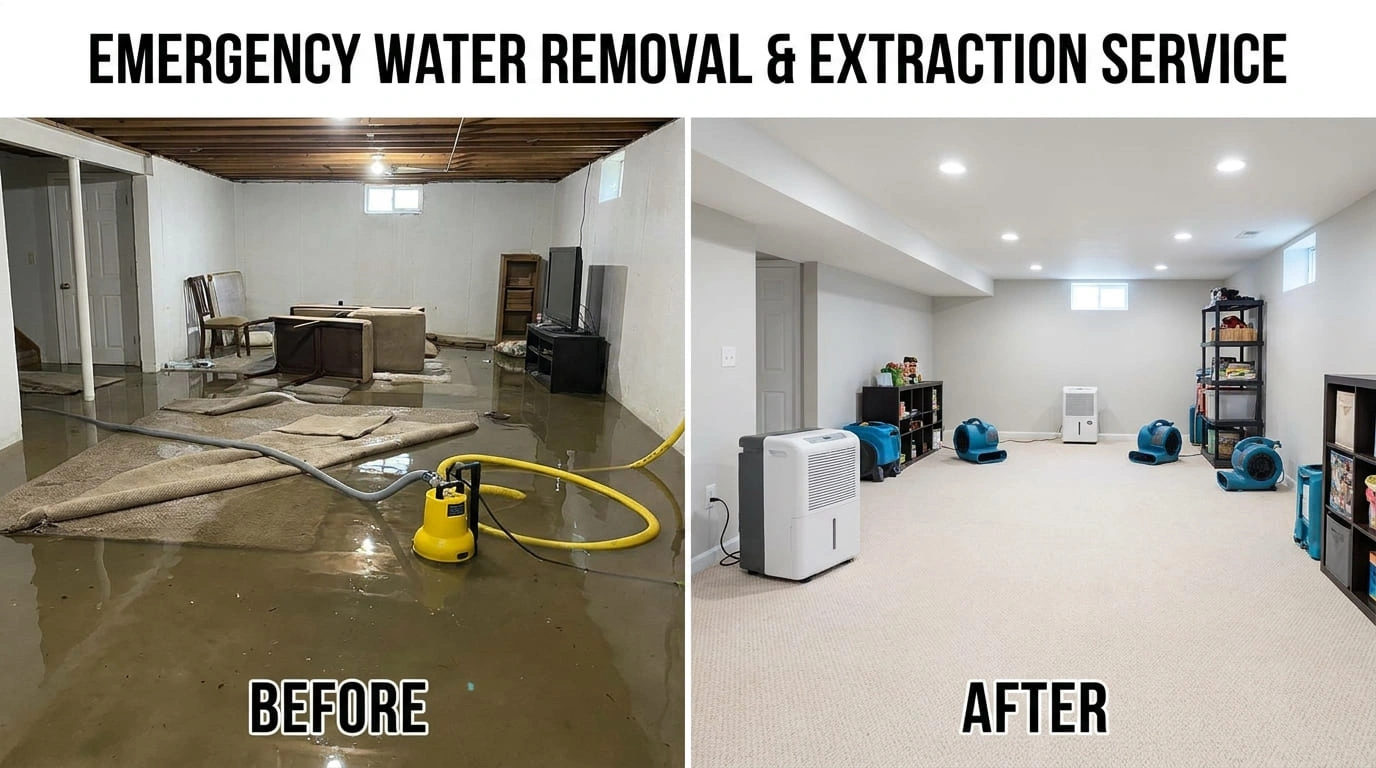
A water-damage emergency can feel overwhelming because the full extent is rarely obvious at first. A basement may appear to have only wet carpet, while water may also be under padding, along walls, or near stored belongings. A ceiling leak may begin as a stain but involve water inside a ceiling cavity. The goal of professional mitigation is to turn an uncertain situation into a documented recovery plan.
Typical Transformation Outcomes
Standing water, soaked carpet, wet baseboards, damaged contents, or water spreading through a room.
Water extracted, affected areas evaluated, and drying underway.
A room looks dry after towels or a shop vacuum, but moisture may remain below flooring or inside walls.
Moisture conditions are assessed and targeted structural drying is used where needed.
The owner is unsure whether to call a plumber, the City, an insurer, or a restoration company.
The source, safety concerns, cleanup needs, and documentation steps are more clearly defined.
How We Remove Water and Dry Affected Building Materials
A controlled approach to standing water, wet materials, hidden moisture, and post-loss recovery.
Water damage can affect more than the visible floor surface. Depending on the source and duration, moisture can reach carpet backing, padding, subflooring, baseboards, drywall, insulation, cabinetry, framing, and contents. Professional water removal uses purpose-built extraction and drying methods to address those conditions.
Water Mitigation Methods May Include
- Extraction equipment for standing water in basements, carpeted rooms, utility rooms, crawl spaces, and commercial areas
- Moisture meters and other inspection tools to identify wet materials beyond visible surfaces
- Air movement and dehumidification to support controlled structural drying
- Targeted drying plans for wet carpet, flooring, drywall, wall cavities, cabinets, and subfloor areas
- Containment or specialized cleaning procedures where contamination is suspected
- Documentation of affected conditions, mitigation activities, and recommended next steps
- Removal of unsalvageable materials when drying and cleaning cannot safely restore them
Should You Dry, Repair, or Replace Water-Damaged Materials?
Helping Longmont property owners understand material recovery after water intrusion.
After water extraction, the next question is often whether carpet, drywall, flooring, cabinets, insulation, or other materials can be dried and restored. The answer depends on the water source, length of exposure, contamination concerns, material type, amount of saturation, and whether moisture levels can return to an acceptable condition.
| Material or Condition | Drying or Repair May Be Possible | Replacement May Be Recommended |
|---|---|---|
| Carpet | Clean-water exposure is limited and drying begins promptly | Padding remains saturated, contamination is present, or carpet cannot be dried properly |
| Drywall | Moisture exposure is limited and materials remain structurally sound | Drywall softens, swells, crumbles, stays wet, or is affected by contaminated water |
| Hardwood flooring | Water exposure is brief and drying starts quickly | Boards buckle, cup severely, separate, or moisture remains below the surface |
| Laminate or engineered flooring | Water is limited to the surface with no swelling | Seams swell, materials delaminate, or water penetrates underneath |
| Insulation | It remains dry or can be verified unaffected | It becomes saturated, compressed, contaminated, or trapped behind wall materials |
| Cabinets and vanities | Damage is limited to surfaces and materials can dry | Pressboard or MDF swells, separates, or traps moisture behind or beneath units |
| Ceiling materials | Leak is minor and materials remain stable after drying | Ceiling drywall sags, crumbles, stains heavily, or contains wet insulation |
When Replacement May Be the Safer Option
- The material is contaminated by sewage or other unsafe water
- Moisture remains trapped where it cannot be effectively dried
- The material has swollen, warped, delaminated, softened, or structurally deteriorated
- The damage creates an ongoing odor, safety, or sanitation concern
- Repair would not produce a durable result compared with replacement
What Affects Emergency Water Extraction Costs in Longmont?
Clear cost factors for water removal, structural drying, cleanup, and repair planning.
The cost of emergency water removal depends on the conditions at the property. A small clean-water leak in an accessible room is different from a flooded basement, a burst pipe inside a wall, water beneath flooring, or a sewage backup requiring specialized cleanup.
Mont Long Restoration explains the work needed before proceeding whenever conditions allow. The scope may include water extraction, moisture inspection, drying equipment, monitoring, cleaning, material removal, repair, or reconstruction planning.
Main Cost Factors
- Amount of standing water and size of the affected area
- Source of water, including clean water, appliance overflow, stormwater, or sewage backup
- How long water has been present before mitigation begins
- Materials affected, such as carpet, padding, drywall, insulation, flooring, cabinets, or contents
- Whether water is trapped under flooring, inside walls, or within ceiling cavities
- Accessibility of the affected area, including basements, crawl spaces, upper floors, mechanical rooms, or commercial spaces
- Amount of drying equipment and monitoring required
- Emergency timing, including overnight, weekend, or holiday service
- Repair or reconstruction needs after mitigation is complete
Does Your Longmont Property Need Emergency Water Extraction?
Signs that standing water, hidden moisture, contamination, or material damage needs professional attention.
Professional water extraction is especially important when water is spreading, pooling, trapped below materials, affecting electrical areas, or connected to sewage or other contamination concerns. If you are asking whether you can wait until morning, whether your wet carpet is salvageable, or whether water has reached the wall or subfloor, an assessment can help clarify the next steps.
Call for Emergency Water Removal When You Have
- Standing water in a basement, utility room, crawl space, hallway, bathroom, kitchen, or commercial space
- A burst pipe, leaking plumbing line, frozen pipe, water-heater failure, or appliance overflow
- Water coming up through a basement floor drain, toilet, tub, shower, or other plumbing fixture
- Wet carpet, soaked padding, swollen flooring, wet drywall, bubbling paint, or ceiling stains
- Water near electrical outlets, appliances, wiring, or the electrical panel
- A sewer backup, toilet overflow, or potentially contaminated water
- A failed sump pump or water entering after heavy rain or drainage issues
- Musty odors or concern that water remains behind walls or beneath floors
Emergency Water Removal for Commercial & Multi-Unit Buildings
Limit disruption and begin a documented recovery process after water enters your business, facility, or managed property.
A water-loss event can interrupt tenants, employees, customers, operations, inventory, equipment, and access to critical spaces. Mont Long Restoration provides commercial water damage restoration and emergency water extraction support for Longmont businesses, property managers, HOAs, and multi-unit facilities.
The service approach is adapted to the property: identify the water source, protect people and accessible contents, extract standing water, inspect affected materials, establish drying priorities, and coordinate a recovery plan that supports safe re-entry and next-stage repairs.
| Commercial Service | Purpose |
|---|---|
| Emergency water extraction | Remove standing water from affected interior areas |
| Moisture inspection | Identify hidden water in floors, walls, ceilings, and other materials |
| Structural drying | Reduce moisture in building materials after extraction |
| Content and area protection | Help protect accessible furnishings, equipment, and materials where appropriate |
| Documentation support | Provide records of observed conditions and mitigation work |
| Repair and reconstruction planning | Identify needed restoration work after drying and assessment |
Commercial Properties We Assist
- Office buildings and professional suites
- Retail stores, shopping centers, and mixed-use developments
- Restaurants, cafes, breweries, and hospitality properties
- Apartments, condominiums, HOAs, and managed rentals
- Warehouses, industrial buildings, and logistics facilities
- Schools, churches, clinics, and community spaces
Why Commercial Property Managers Need a Water-Removal Partner
- Water can spread into multiple suites, units, storage areas, or shared building systems
- Drying priorities may need to be coordinated around operations, tenants, access, and safety
- Clear documentation helps owners and managers understand what was affected
- Commercial properties often need a plan for mitigation, repair, and operational recovery
Benefits of Hiring Water Damage Restoration Professionals in Longmont
Faster assessment, safer handling, and more complete drying after a water emergency.
Professional water removal is designed to address what cannot always be seen. The water you can see may be only part of the loss. Moisture below flooring, inside wall cavities, under cabinets, or in carpet padding can remain after visible water is removed.
Remove standing water from affected areas more effectively than basic household cleanup methods
Identify hidden moisture that may remain behind walls or under flooring
Use targeted structural drying and dehumidification for affected materials
Assess whether carpet, drywall, flooring, insulation, or cabinets can be dried or need replacement
Handle sewer backups and potentially contaminated water with appropriate precautions
Create useful records of visible damage, mitigation activity, and next-step recommendations
Help property owners move from an emergency situation toward repair and recovery planning
Why DIY Water Removal Can Be Unsafe in Certain Emergencies
Water near electricity, sewage, gas odors, structural damage, or hidden moisture needs careful handling.
Do not enter or attempt to clean a water-damaged area if doing so could expose you to electrical shock, contaminated water, unstable materials, or gas-related hazards. Water damage can change quickly, especially when a pipe is still leaking, a sewer line is backing up, a ceiling is sagging, or water is near appliances and electrical equipment.
Safety Guidance
- Do not walk through standing water near outlets, cords, appliances, electrical panels, or exposed wiring
- Do not use household electrical equipment in wet areas
- Do not enter a flooded room if you smell gas or suspect a gas-related emergency
- Stop using toilets, sinks, showers, dishwashers, and washing machines during a sewer backup
- Keep children, pets, and unprotected occupants away from sewage-contaminated or unknown water
- Do not climb beneath sagging ceilings or attempt to puncture a water-filled ceiling without assessing safety
- Avoid assuming a room is dry just because surface water is gone
Common Questions About Emergency Water Removal in Longmont
Quick answers for flooded basements, burst pipes, sewer backups, wet carpet, and water damage.
What should I do if my basement is flooding in Longmont?
If it is safe, identify and stop the water source. Avoid entering water near electrical outlets, appliances, or the electrical panel. Move valuables and electronics away from water only if you can do so safely. Take photos or video before moving items when possible, then call for emergency water extraction and drying.
Who do I call for water in my basement?
For water caused by a burst pipe, appliance leak, water-heater leak, toilet overflow, roof leak, sump-pump failure, or other internal water event, call a water damage restoration company for extraction and drying. If the source is still active, a plumbing repair may also be needed to stop it. If there is an emergency hazard, call 911.
Should I shut off the main water after a burst pipe?
If you can safely access the shutoff and believe an active plumbing line is leaking, shutting off water at the fixture or main water supply can help limit additional damage. If you are not sure where the shutoff is, or the area is unsafe, avoid taking risks and seek professional assistance.
Is water extraction different from water damage restoration?
Yes. Water extraction focuses on removing standing water. Water damage restoration is broader and can include moisture inspection, structural drying, cleaning, damaged-material assessment, repair, and reconstruction planning. Extraction is usually an early step in the overall restoration process.
Can wet carpet be saved after a basement flood or leak?
Sometimes. Whether carpet can be dried depends on the water source, how long it has been wet, whether the padding is saturated, contamination concerns, and whether the carpet and subfloor can be dried properly. Sewage-contaminated water and heavily saturated padding may require more extensive cleanup or removal.
Why is water coming up through my basement floor drain?
Water coming up through a floor drain can be related to a sewer or drain-line backup, heavy water flow, or another plumbing/drainage issue. Stop using water fixtures in the property if sewage is backing up. Longmont notes that backups occurring only when water is used inside the property are most likely related to the private service-line system.
Is a sewer backup my responsibility or the City of Longmont's?
The source must be investigated. Longmont explains that sluggish drains or a sewer backup may involve a private service line or a public main line. During business hours, residents can contact Longmont Water Utilities; after hours, the City directs residents to Public Safety Dispatch so a utility technician can be notified. If the City finds a problem in the main line that caused damage through the service line, the City states a claim may be submitted to Risk Management, but this does not guarantee payment or coverage.
Can I remove the water myself with a wet/dry vacuum?
For a very small, clean-water spill, basic immediate drying may be possible. However, standing water, soaked carpet or padding, wet drywall, hidden moisture, water under floors, sewage-contaminated water, or water near electricity warrants professional assessment and extraction.
How long does structural drying take after water removal?
Drying time depends on the amount of water, materials affected, water source, humidity, airflow, temperature, how long water was present, and whether moisture reached enclosed spaces. Visible water may be removed quickly, but affected structural materials can require additional drying and monitoring.
Does homeowners insurance cover emergency water removal?
Coverage depends on the cause of loss, policy terms, endorsements, exclusions, deductible, and your insurer's decision. Burst-pipe damage, appliance leaks, sewer backups, groundwater, rainwater, and flood events may be treated differently under an insurance policy. Documentation of visible damage and mitigation work can help you discuss the event with your insurer.
Should I take photos before water extraction begins?
If it is safe, photos and video of the water source, affected rooms, damaged materials, and belongings can be useful. Do not delay essential safety actions or water removal if waiting could increase risk or damage.
Does Longmont have flood-risk areas?
Longmont provides an address-specific Floodplain Inquiry Map. The City's flood planning and resilience work includes St. Vrain Creek and Left Hand Creek, but flood exposure must be evaluated by property location rather than assumed based on a neighborhood name.
From Emergency Water Removal to Drying, Repair & Recovery Planning
Practical help for Longmont property owners facing standing water, hidden moisture, and damaged materials.
Mont Long Restoration approaches water emergencies with a focus on safety, clear communication, careful assessment, and appropriate drying. The objective is to help you understand what happened, remove standing water, identify affected materials, and determine practical next steps.
If water has entered your basement, crawl space, utility room, bathroom, kitchen, office, retail space, or other interior area, the first move is to address safety and stop the source where possible. From there, emergency water extraction and moisture inspection can help establish the right recovery plan.
Mont Long Restoration
1205 S Main StLongmont, CO 80501
United States
Trained Professionals for Water Extraction, Drying & Recovery Planning
Experience and process matter when water affects building materials and indoor spaces.
Emergency water removal involves more than extracting puddles. Water-damage mitigation requires an understanding of moisture movement, drying principles, material behavior, contamination concerns, safety risks, and post-loss recovery planning.
Mont Long Restoration provides services aligned with water damage mitigation, structural drying, moisture assessment, cleanup, and reconstruction needs. When repairs involve trade-specific work such as plumbing, electrical systems, roofing, or other building systems, those repairs should be completed by appropriately qualified professionals.
Water Damage Restoration Technician (WRT)
Applied Structural Drying (ASD)
Applied Microbial Remediation Technician (AMRT)
Certified Restorer (CR)
Local Municipal Class C / General Contractor License
Professional Service Priorities
- Water extraction and standing-water removal
- Moisture mapping and affected-material assessment
- Structural drying and dehumidification
- Water-damage cleanup and sanitation planning where appropriate
- Repair and reconstruction planning for damaged materials
- Clear communication about safety, visible conditions, and next steps
Emergency Water Removal in Longmont, CO
Help is available when water is spreading through your property after hours, on weekends, or during holidays.
Water emergencies do not wait for normal business hours. A pipe can burst overnight, a water heater can leak while you are away, an upstairs bathroom can overflow into the ceiling below, or stormwater can enter a lower level during severe weather.
Mont Long Restoration provides 24/7 emergency water removal for active water-damage situations across Longmont and surrounding communities. If you have standing water, a soaked carpet, a wet ceiling, a flooded utility room, sewage backing up, or water spreading into adjacent rooms, call for immediate guidance.
Emergency Response Process
- Immediate phone discussion to understand the water source, safety concerns, and affected area
- Guidance on safe first actions before arrival, such as source shutoff or avoiding electrical and sewage hazards
- On-site assessment of standing water, affected materials, and likely moisture migration
- Water extraction, drying-equipment planning, and moisture inspection
- Documentation and next-step recommendations for repair, reconstruction, plumbing-source coordination, or insurance discussions
Common Emergency Scenarios
- Burst pipe flooding a house or commercial space
- Frozen pipe that begins leaking as temperatures rise
- Flooded basement after rain, drainage issues, or sump-pump failure
- Toilet overflow or sewage backing up through a basement drain
- Water-heater leak in a utility room or basement
- Appliance leak from a washing machine, dishwasher, refrigerator, or supply line
- Water dripping from a ceiling after an upstairs leak or roof issue
- Wet carpet, soaked flooring, or water under cabinets
Help Documenting Emergency Water Damage Conditions
Clear records can help you communicate with your insurer after a water-loss event.
After a burst pipe, appliance leak, toilet overflow, water-heater failure, sewer backup, or basement flood, property owners often ask whether they should call insurance before cleanup begins. The right answer depends on your policy, the cause of loss, the extent of damage, and your insurer's guidance.
Mont Long Restoration can help document visible water damage conditions and mitigation work so you have clearer records for insurance discussions. Water removal and drying should not be delayed when doing so could allow water to spread or create additional safety concerns.
Documentation May Include
- Photos of visible water, affected rooms, damaged materials, and accessible contents
- Notes describing observed conditions and the apparent source of water
- Moisture readings or drying documentation where performed
- Water extraction, drying, cleaning, and mitigation records
- Invoices and scope details for completed work
- Repair or reconstruction recommendations when materials cannot be restored
Important insurance note: Insurance coverage is determined by your policy terms, endorsements, exclusions, deductible, cause of loss, and insurer review. Mont Long Restoration can provide mitigation documentation, but cannot guarantee coverage, claim approval, or payment.
Warranty Considerations After Water Damage Restoration
Water extraction addresses the emergency; repair and reconstruction work may have separate terms.
Emergency water removal and structural drying are designed to stabilize the property and address moisture conditions after a water-loss event. When the recovery process includes repair, rebuilding, replacement materials, or reconstruction, warranty terms may apply differently depending on the scope of work and materials installed.
Mont Long Restoration can explain applicable workmanship and manufacturer warranty information for qualifying repair or reconstruction work before that work begins.
| Coverage Area | What It May Cover |
|---|---|
| Workmanship | Terms related to qualifying repair or reconstruction labor |
| New materials | Manufacturer warranty information for eligible installed products |
| Documentation | Records of mitigation, repair, and reconstruction work performed |
| Ongoing maintenance | Recommendations that may help preserve repair or material warranty eligibility |
Important notes:
- Warranty terms vary by project scope, repair method, material type, and manufacturer requirements.
- Emergency extraction and drying outcomes depend on water source, material condition, contamination, duration of exposure, and site-specific conditions.
- Specific warranty details should be reviewed in the written estimate, agreement, or project documentation for your property.
Equipped Service Vehicles for Longmont Water Damage Emergencies
Extraction, moisture inspection, drying equipment, and restoration support when water enters your property.
Mont Long Restoration operates a fleet of 10 fully equipped service vans to support emergency water removal and water damage mitigation across Longmont and nearby Front Range communities. Equipment needs vary by the loss, but the goal is consistent: remove standing water, assess moisture, begin appropriate drying, and create a path toward recovery.
Fleet Size
10
Fully loaded equipped service vans
Team Size
40
Skilled restoration professionals
Years Serving
16+
Years supporting Longmont CO
Water-Removal Equipment and Capability Focus
- Water-extraction equipment for standing water and wet carpeted areas
- Moisture-inspection tools for evaluating affected walls, floors, and other materials
- Drying and dehumidification equipment for structural drying plans
- Supplies to help protect work areas and manage affected materials
- Emergency dispatch support for active water-damage situations
- Equipment planning for homes, apartments, offices, retail spaces, and commercial facilities
Options to Discuss for Significant Water Damage Reconstruction
A large water-loss event may require planning beyond immediate extraction and drying.
Emergency water removal is often the first stage of recovery. If water damage requires major material replacement, structural rehabilitation, or reconstruction after mitigation, property owners may need to evaluate the full project scope and payment timing.
Mont Long Restoration can discuss available options for qualifying larger repair or reconstruction projects, including project staging and the relationship between mitigation work, insurance documentation, and later rebuilding needs.
Planning Considerations
- Scope of drying, cleanup, material removal, repair, and reconstruction
- Insurance claim status and policy-specific coverage decisions
- Timing of required repairs after mitigation is complete
- Project staging for occupied homes, rental properties, offices, and commercial spaces
- Clear explanation of any payment, financing, or project terms before work begins
A Local Team Focused on Responsive Water Damage Help
Emergency water removal should begin with clear communication, practical steps, and respect for your property.
When water enters a home or business, property owners need a team that understands the urgency without adding confusion. Mont Long Restoration serves Longmont with emergency water extraction, drying, cleanup, and water-damage recovery support focused on real property conditions and next steps.
Angi Super Service Award
Boulder County Gold Award
Longmont Area Chamber of Commerce Business of the Year
Nextdoor Neighborhood Fave
The Best of Longmont Award
What Longmont Property Owners Should Expect
- Clear emergency guidance when they call
- Respectful communication during a stressful property event
- Attention to water source, affected materials, safety, and hidden moisture
- A structured process for extraction, drying, monitoring, and repair planning
- Local service for homes, rentals, HOAs, offices, retail spaces, and facilities
Emergency Water Removal Support for Seniors, Military Members & Veterans
Clear communication and respectful service for Longmont property owners facing water damage.
A water emergency can be especially difficult for older adults, military families, veterans, caregivers, landlords, and property managers coordinating a response from another location. Mont Long Restoration provides straightforward communication about the water-damage situation, recommended mitigation steps, and available project options.
Ask the team about current service options, qualifying promotions, or available support programs when you call. Any offer, discount, project credit, or eligibility requirement should be confirmed before work is authorized.
Customer-Support Priorities
- Clear explanation of what happened and what should happen next
- Help understanding water extraction, drying, cleanup, and repair stages
- Documentation support for property owners and authorized representatives
- Communication for family members, property managers, and out-of-area decision makers
- Transparent discussion of the work scope before non-emergency project phases begin
Emergency Water Removal Hours in Longmont, CO
24/7 emergency support for standing water, burst pipes, flooded basements, sewer backups, and water damage cleanup.
Water can spread overnight, over a weekend, during a holiday, or while you are away from home. Mont Long Restoration offers 24/7 emergency service for Longmont properties dealing with active water damage and urgent extraction needs.
| Day | Emergency Service Hours |
|---|---|
| Monday | 24 Hours |
| Tuesday | 24 Hours |
| Wednesday | 24 Hours |
| Thursday | 24 Hours |
| Friday | 24 Hours |
| Saturday | 24 Hours |
| Sunday | 24 Hours |
What to Look for in a Longmont Water Extraction Company
The right response addresses standing water, hidden moisture, drying, and the next stage of recovery.
When choosing a company for water damage cleanup, it helps to look beyond the initial removal of visible water. A complete emergency response should consider the water source, electrical and contamination concerns, affected materials, hidden moisture, structural drying, documentation, and repair planning.
| What to Look For | Mont Long Restoration Approach | Why It Matters |
|---|---|---|
| Emergency availability | 24/7 support for urgent water-damage situations | Water problems can occur outside normal business hours |
| Water extraction | Removal of standing water from affected accessible areas | Helps limit water migration and material saturation |
| Moisture assessment | Inspection for moisture beneath floors and behind walls | Visible water may not show the full extent of the loss |
| Structural drying | Drying plans based on affected materials and moisture conditions | Surface drying alone may not address trapped moisture |
| Source-specific response | Support for pipe leaks, appliances, water heaters, overflows, storms, and backups | The source affects cleanup and safety decisions |
| Documentation | Records of observed conditions and mitigation work | Helps owners understand the event and discuss it with insurers |
| Repair planning | Recommendations when materials cannot be restored | Connects emergency mitigation with the next recovery stage |
Contact Mont Long Restoration for Emergency Water Removal in Longmont, CO
Speak with a water-damage professional about standing water, flooded basements, burst pipes, wet carpet, sewer backups, and urgent drying needs.
If you have water in the basement, water coming up through a floor drain, a burst pipe, a leaking water heater, soaked carpet, water under flooring, a ceiling leak, or a sewer backup, take safe steps to protect people and stop the source where possible. Then call Mont Long Restoration for emergency water extraction, moisture inspection, and structural drying support.
Contact Details
Mont Long Restoration
(720) 438-7100
Emergency Water Removal & Extraction
1205 S Main St
Longmont, CO 80501
24/7
For practical, 24/7 emergency water removal in Longmont, CO, call Mont Long Restoration when standing water, hidden moisture, burst pipes, flooded basements, sewer backups, or water damage threatens your property.