Ceiling Water Damage Repair in Longmont, CO — Fast Help for Leaks, Stains & Sagging Drywall
Longmont ceiling leak repair for homes, rentals, businesses, and property-managed buildings across Boulder County.
Water dripping from the ceiling, a brown ring that keeps growing, bubbling paint, a soft spot, or a ceiling that looks like it is holding water can signal more than a surface-level repair. Mont Long Restoration provides ceiling water damage repair in Longmont, CO for active leaks, hidden moisture, wet insulation, damaged drywall, and ceiling reconstruction needs.
The visible stain is not always where the problem started. Water can travel through insulation, framing, pipes, ceiling cavities, and drywall before it appears below an upstairs bathroom, laundry room, attic, roof penetration, appliance line, water heater, HVAC unit, or frozen pipe. Our team helps identify the affected area, document moisture, dry the structure, remove unsalvageable materials when needed, and plan the ceiling repair after the source is controlled.
With 16 years serving Longmont-area properties, 40 skilled professionals, 10 equipped service vans, and 24/7 emergency availability, Mont Long Restoration is prepared to respond when a ceiling leak cannot wait.
Call Now: (720) 438-7100Call now for emergency ceiling leak help, moisture assessment, structural drying, and a clear repair plan.
- Help for water dripping through ceilings, stains, bubbles, soft drywall, and sagging areas
- Emergency water removal, moisture mapping, drying, selective demolition, and reconstruction planning
- Support for homes, apartments, condos, HOAs, offices, retail properties, and commercial facilities
- Available 24/7 for urgent water damage restoration throughout Longmont and nearby Boulder County communities
Request Emergency Ceiling Repair
Fill out the form and we'll contact you immediately!
Ceiling Water Damage Restoration Backed by 16 Years of Local Experience
A practical, response-focused team for ceiling leaks, hidden moisture, drying, and repair decisions.
A water-damaged ceiling is not always a simple drywall patch. When moisture enters a ceiling cavity, it can affect drywall, texture, insulation, framing, electrical pathways, flooring below, and belongings in the room. Mont Long Restoration approaches the job in the correct order: address the source, assess affected materials, dry what can be saved, remove what cannot, and plan repairs after moisture conditions are stable.
Our Longmont team provides a full restoration path rather than stopping at visible cleanup. Whether the leak began with an upstairs shower, washing-machine hose, dishwasher, refrigerator line, water heater, roof penetration, ice dam, HVAC condensate issue, or burst pipe, we help property owners understand what happened and what needs to happen next.
16 Years of Local Experience
Serving Longmont, Boulder County, and surrounding Front Range communities since 2010.
40 Skilled Professionals
Available for emergency and planned water-damage work across residential and commercial properties.
10 Equipped Service Vans
Supporting response, extraction, drying, and repair work throughout the service area.
24/7 Emergency Service
For active leaks, wet ceilings, plumbing-related water damage, and storm-related intrusion.
Detailed Documentation
Moisture findings, affected-material documentation, repair recommendations, and insurance-ready records when requested.
Ceiling Water Damage Repair Near Longmont Neighborhoods, Landmarks & Business Areas
Serving Longmont homes and commercial properties from Old Town and Prospect New Town to Boulder County communities.
Mont Long Restoration serves properties throughout Longmont, including homes and rental properties near Downtown Longmont, the Main Street Historic District, Prospect New Town, McIntosh Lake, Union Reservoir, St. Vrain Greenway, Roosevelt Park, Golden Ponds Park, and major corridors along Main Street, Hover Street, Ken Pratt Boulevard, and Highway 119.
A ceiling leak can happen in an older home near Historic Eastside, a multi-level residence in Southwest Longmont, a managed community near Prospect New Town, or a commercial suite near local retail and business corridors. Regardless of where the visible damage appears, the goal is the same: stop active moisture, determine the source, protect the property, and avoid repairing over a wet or unstable ceiling.
Longmont Neighborhoods & Communities Served
Nearby Communities Served
Regional Context We Understand
- Front Range freeze-thaw weather and frozen-pipe risks
- Hail, wind, rain, snowmelt, and roof/attic water intrusion
- Multi-level homes with upstairs bathroom or laundry leaks
- Rental, condominium, HOA, and property-management water-damage coordination
- St. Vrain Creek and Left Hand Creek flood-awareness conditions affecting some local properties
Specialized Ceiling Leak Cleanup, Drying & Repair for Longmont Properties
Restoration specialists focused on the moisture behind the stain—not only the stain itself.
A brown ring, peeling paint, or wet drywall ceiling can look like a small cosmetic issue, but the ceiling surface may hide moisture above it. Painting, patching, or texturing over wet materials can trap moisture in the cavity and leave the underlying problem unresolved.
Mont Long Restoration helps with the restoration side of a ceiling leak: identifying affected materials, documenting moisture, setting up controlled drying, removing damaged drywall or insulation when necessary, and preparing the ceiling for reconstruction. We also help you understand when source repair may require coordination with a plumber, roofer, HVAC contractor, appliance technician, building manager, or property owner.
Our work is designed for conditions that require more than a quick patch:
- Active ceiling leaks and water dripping through drywall
- Water bubbles, paint blisters, soft spots, and sagging ceiling areas
- Ceiling leaks under bathrooms, laundry rooms, kitchens, attics, or mechanical spaces
- Roof leak water damage after hail, wind, rain, snow, or ice-dam conditions
- Water coming through recessed lights, ceiling fixtures, or ceiling fans
- Water-damaged drywall, insulation, texture, framing, and affected contents
- Commercial, multifamily, rental, HOA, and property-management restoration needs
What Happens When a Ceiling Leak Damages Your Longmont Property?
Water can travel away from the source before it becomes visible in your ceiling.
A ceiling stain may be old damage, but a stain that is damp, expanding, soft, bubbled, or sagging should be assessed before it is painted. Water does not always drip directly beneath the source. It can move along pipes, framing, insulation, drywall seams, and ceiling cavities before appearing as a brown spot or wet patch in another room.
When a ceiling is exposed to water, the damage may include visible and hidden effects:
- Drywall can swell, soften, sag, separate from fasteners, or lose structural integrity
- Paint can blister, peel, bubble, or discolor
- Ceiling texture may loosen or fall
- Wet insulation can retain moisture above the visible ceiling surface
- Wood framing may stay damp without proper drying
- Water can affect recessed lighting, fixtures, fans, and electrical pathways
- Musty odors or visible microbial growth may develop if moisture remains unresolved
- Water can spread into walls, flooring, cabinetry, furniture, and personal belongings below
A ceiling that looks like it has a water balloon inside it, feels soft, or is visibly sagging should not be ignored. Keep people away from the affected area, especially if the ceiling is near a light fixture, fan, or electrical device. Do not touch wet fixtures or stand in pooled water.
Stop the Source, Dry the Ceiling, Then Plan the Repair
The right ceiling repair starts with source control and verified drying—not paint.
A leak may stop on its own, but that does not mean the ceiling cavity is dry. Mont Long Restoration evaluates the condition of affected materials so property owners can make informed decisions about drying, removal, repair, and reconstruction.
Our ceiling water damage process can include on-site inspection, moisture mapping, documentation, controlled drying, reinspection, and a repair plan for materials that cannot be restored. The goal is to avoid covering up hidden moisture with paint, patching, or texture.
| Assessment or Drying Step | What It Helps Determine | Why It Matters |
|---|---|---|
| Visual ceiling inspection | Stains, bubbles, cracking, sagging, texture loss, and visible material damage | Identifies obvious conditions and safety concerns |
| Moisture mapping | Whether moisture is present in drywall, insulation, framing, or adjacent materials | Helps define the affected area beyond the visible stain |
| Source documentation | Possible plumbing, roof, appliance, HVAC, or weather-related cause | Helps guide repair coordination and insurance documentation |
| Controlled structural drying | Drying of salvageable materials using appropriate equipment | Helps reduce lingering moisture before repairs begin |
| Selective removal assessment | Whether wet drywall, insulation, or ceiling texture should be removed | Avoids rebuilding over unsalvageable materials |
| Final drying verification | Whether conditions are stable enough for reconstruction | Supports a proper repair plan rather than guesswork |
Helpful Timing Guidance
- Call promptly when water is active, the ceiling is soft, a stain is growing, or water is near electrical fixtures.
- Do not wait for a bubble or sagging area to "dry on its own" without assessing the source and materials above it.
- Schedule roof, plumbing, or HVAC source repair as soon as the cause is identified.
- Keep access clear below the ceiling so technicians can assess the affected area safely.
- Save photos, videos, repair invoices, and past maintenance records if you may file an insurance claim.
Boulder County advises addressing water leaks promptly and fully drying affected materials to help reduce mold-related concerns.
Who Needs Ceiling Water Damage Repair in Longmont?
Helping homeowners, tenants, landlords, HOAs, facility managers, and businesses manage ceiling leaks.
Ceiling water damage can affect almost any property with plumbing, appliances, attic space, a roof system, HVAC equipment, or a floor above another occupied space. Mont Long Restoration works with residential and commercial property stakeholders who need a clear plan after a ceiling leak.
We help:
- Homeowners with ceiling leaks, wet drywall, roof leaks, frozen pipes, or appliance failures
- Renters dealing with water from an upstairs unit, bathroom, pipe, or roof leak
- Landlords who need to protect occupied rentals and coordinate repairs
- Property managers handling water damage in apartments, condos, and multifamily communities
- HOAs managing common-area, roof-related, or unit-to-unit water intrusion
- Retail stores, offices, restaurants, medical spaces, schools, and commercial buildings
- Warehouses, industrial properties, and facilities with mechanical-room or roof-related water damage
- Hospitality, community, and mixed-use properties requiring coordinated drying and repair
For renters, it is wise to photograph the affected area, protect personal belongings when safe, report the condition promptly in writing, and keep copies of communication with the landlord or property manager. The City of Longmont provides landlord-tenant information resources, and Boulder County identifies local support options for landlord-renter concerns.
How Longmont Weather, Roof Conditions & Temperature Swings Can Cause Ceiling Leaks
Freeze-thaw weather, hail, snowmelt, roof intrusion, and HVAC moisture can all contribute to ceiling damage.
Longmont properties experience Front Range weather conditions that can reveal weak points in roofs, attic spaces, pipe insulation, exterior walls, HVAC systems, and building penetrations. A ceiling stain may appear after a storm, during snowmelt, after a cold snap, or when cooling equipment begins running.
Seasonal ceiling-water-damage risks include:
Winter
Frozen or thawing pipes, ice dams, attic condensation, roof leaks under snow accumulation, and water intrusion around flashing or roof penetrations.
Spring
Snowmelt, heavy rain, changing temperatures, roof leaks, sump-pump issues, and plumbing failures discovered after winter conditions.
Summer
Hail and wind damage, heavy thunderstorms, roof intrusion, air-conditioning condensate issues, drain-pan overflows, and swamp-cooler leaks.
Fall
Seasonal HVAC transitions, roof maintenance issues, clogged drainage pathways, and water intrusion revealed by rain or early cold weather.
Longmont's building requirements account for significant winter conditions, including a stated winter design temperature of −2°F and ice/water protection requirements for roofing in applicable situations. That does not mean every ceiling leak comes from a roof, but it supports careful assessment of roof, attic, snowmelt, flashing, and freeze-thaw pathways when a stain follows weather events.
Longmont also maintains flood information and preparedness resources related to St. Vrain Creek and Left Hand Creek. Flood conditions should be considered when exterior or stormwater intrusion is involved, but a ceiling stain should never automatically be assumed to be flood damage.
Is Your Ceiling Leak Caused by Plumbing, a Roof, an Appliance, or HVAC Equipment?
The right restoration plan depends on what caused the water to enter the ceiling cavity.
A water stain below a bathroom may be related to shower use, a toilet, a drain, a supply line, or a hidden appliance connection. A ceiling stain below an attic may involve roof damage, flashing, snowmelt, insulation, condensation, or HVAC equipment. Mont Long Restoration helps document the water-damaged area and determine which source specialist may need to be involved.
| Possible Source | Common Signs | Restoration Focus |
|---|---|---|
| Upstairs bathroom leak | Ceiling leaks after showering, flushing, or sink use | Moisture assessment, drying, drywall/insulation evaluation |
| Toilet overflow or failed seal | Water below bathroom, possible odor or contaminated-water concern | Containment, appropriate cleanup, drying, material assessment |
| Washing machine or dishwasher leak | Damage below laundry or kitchen area | Extraction, hidden-moisture evaluation, drying |
| Refrigerator water-line leak | Slow stain or wet ceiling below kitchen | Moisture mapping, drying, repair planning |
| Water-heater leak | Ceiling damage below utility room or mechanical area | Water mitigation, drying, reconstruction scope |
| Roof or flashing leak | Stain after rain, hail, wind, snow, or thaw | Attic/ceiling assessment and roof-repair coordination |
| Ice dam or snowmelt intrusion | Water stain after snow buildup or melt | Drying, ceiling repair planning, roof/attic coordination |
| HVAC condensate or drain-pan issue | Water appears when AC or attic equipment runs | Moisture assessment and HVAC-source coordination |
| Burst or frozen pipe | Sudden water release, often during cold weather | Emergency extraction, drying, material removal, reconstruction |
If you are asking, "Why is my ceiling leaking?" the answer cannot always be determined from the stain alone. The same visible symptom may come from an upstairs plumbing leak, roof intrusion, appliance failure, HVAC condensate issue, or an intermittent source that only leaks when a fixture is used.
Our 6-Step Ceiling Water Damage Repair Process in Longmont
Know what happens from the first emergency call through drying and reconstruction planning.
Emergency Call & Safety Guidance
We discuss visible conditions, active water, possible source areas, electrical concerns, and immediate steps to protect people and belongings.
On-Site Assessment & Source Review
Our team inspects the affected ceiling and surrounding areas, identifies visible damage, and evaluates potential water pathways from bathrooms, appliances, roofing, attic spaces, HVAC equipment, or plumbing.
Moisture Mapping & Damage Documentation
We assess materials beyond the visible stain to help determine the affected ceiling, insulation, wall, floor, or contents areas.
Water Removal & Structural Drying Setup
When conditions require mitigation, we use appropriate extraction and drying equipment to reduce moisture in salvageable materials and stabilize the area.
Selective Removal & Repair Recommendations
We explain whether damaged drywall, insulation, texture, or other materials may need removal and provide a clear repair or reconstruction plan.
Final Verification, Documentation & Reconstruction Coordination
After drying conditions are confirmed, we document the work, provide relevant records, and coordinate ceiling repair, drywall replacement, texture matching, painting preparation, or broader reconstruction as needed.
What's Included in Our Ceiling Water Damage Repair Service
Clear deliverables for Longmont homeowners, tenants, property managers, and businesses.
Every ceiling leak is different. A dry, old stain may require a different plan than an active leak with wet insulation, sagging drywall, or electrical concerns. Mont Long Restoration explains the condition of the affected area and the recommended scope before repair work moves forward.
Your service may include:
- Initial discussion of visible symptoms, timing, source clues, and safety concerns
- On-site inspection of stained, bubbling, soft, cracked, wet, or sagging ceiling materials
- Moisture mapping of affected drywall, insulation, framing, walls, and adjacent surfaces
- Documentation of visible damage and affected materials
- Emergency water removal and protective measures when water is active
- Structural drying and dehumidification for salvageable materials
- Assessment of whether drywall, ceiling texture, insulation, or other materials need removal
- Coordination recommendations for plumbing, roof, appliance, or HVAC source repairs
- Repair and reconstruction planning for drywall replacement, texture matching, and paint-ready finishes
- Itemized records that may assist with insurance claim documentation
Key Advantages of Working With Mont Long Restoration
Emergency response, moisture assessment, drying capability, and repair continuity for Longmont properties.
Mont Long Restoration is built to help property owners move from an uncertain ceiling leak to a documented restoration plan.
- 24/7 support for active ceiling leaks, water drips, wet drywall, and emergency water damage
- 40 skilled professionals available for mitigation, drying, cleanup, and reconstruction needs
- 10 equipped service vans supporting response across Longmont and surrounding communities
- Moisture assessment and structural drying focused on the material behind the visible stain
- Clear explanation of drying, removal, repair, and reconstruction options
- Support for residential, rental, commercial, HOA, and property-management water damage
- Documentation that can help organize a discussion with your insurer, adjuster, landlord, property manager, plumber, roofer, or HVAC contractor
Ceiling Water Damage Transformations for Longmont Properties
What changes when the moisture source is addressed and the ceiling is properly dried.
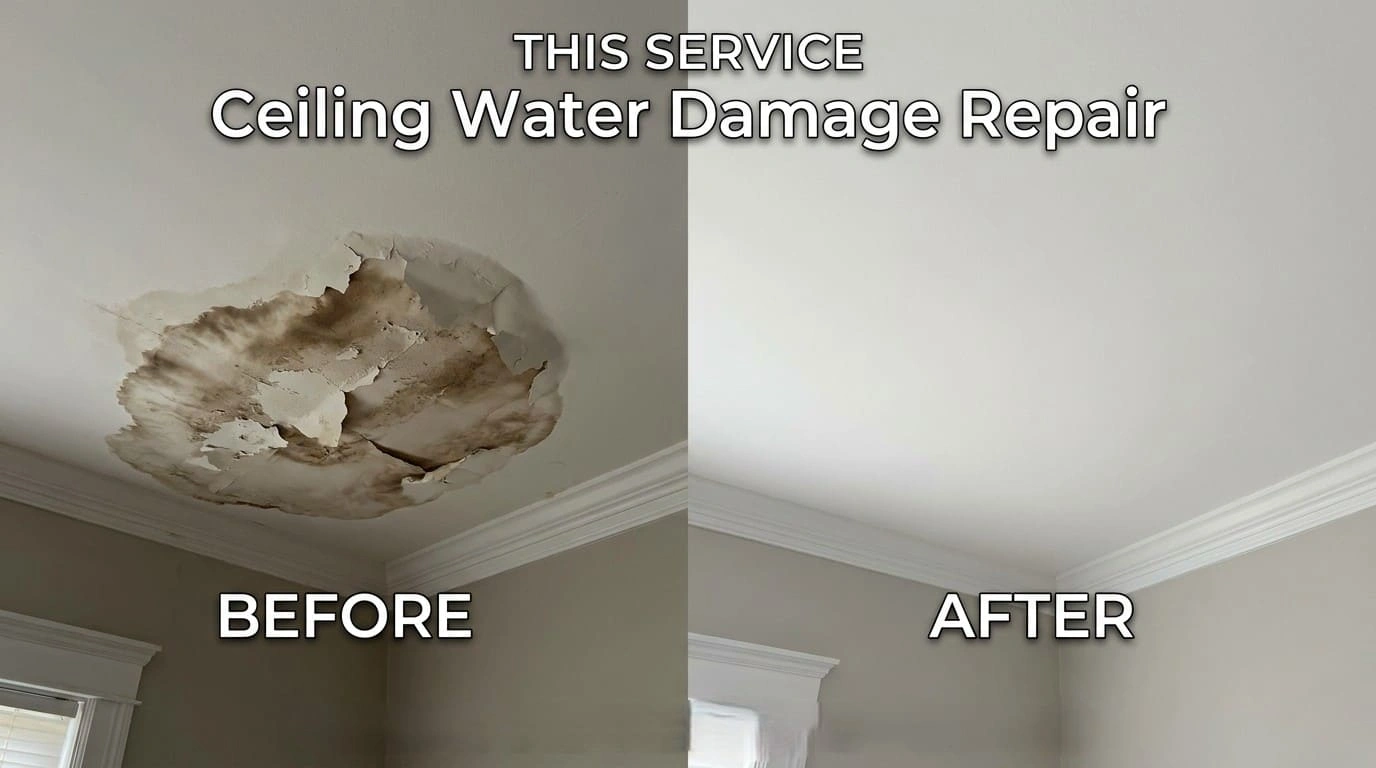
Many property owners first notice only a brown spot, bubbling paint, or a damp ceiling area. After an assessment, they may learn that moisture has spread beyond the stain or that insulation and drywall need further attention. The goal is not to make a ceiling look temporarily better, it is to make sure the area is stable enough for a lasting repair.
A ceiling stain with an unknown source.
A documented assessment, moisture evaluation, and source-repair direction.
Bubbling paint, soft drywall, or a sagging ceiling area.
Drying, selective removal where needed, and a repair plan based on material condition.
Anxiety about hidden moisture, mold, insurance, or a potential ceiling collapse.
Clear next steps, drying records, repair recommendations, and documented restoration work.
A rental or commercial property disruption with multiple involved parties.
Organized communication, restoration documentation, and coordinated reconstruction planning.
How We Dry, Repair & Restore Water-Damaged Ceilings
Purpose-built moisture assessment and drying methods—not guesswork behind a stained ceiling.
Ceiling water damage repair may involve far more than replacing a visible patch of drywall. Mont Long Restoration uses restoration methods based on the source, material condition, water exposure, accessibility, and affected area.
Depending on the project, our work may include:
- Moisture meters and inspection tools to evaluate affected materials
- Thermal imaging where appropriate to help identify temperature differences associated with possible moisture patterns
- Water extraction tools for active water damage and saturated materials
- Commercial-grade air movers and dehumidifiers for controlled structural drying
- Containment materials and protective measures when removal or cleanup requires separation from unaffected areas
- Selective drywall and insulation removal when materials are swollen, sagging, contaminated, structurally compromised, or unable to dry appropriately
- Repair materials for drywall replacement, finishing, texture matching, and paint-ready preparation
- Documentation of the drying process and restoration scope
The repair method should match the actual condition. A dry, stable stain may eventually need stain-blocking primer and paint. A wet, delaminated, sagging, or contaminated ceiling may need moisture mitigation and material removal before it can be safely rebuilt.
Can a Water-Damaged Ceiling Be Repaired Without Replacing the Drywall?
The answer depends on moisture, structural condition, contamination, and whether the leak is fully resolved.
Not every water stain requires full ceiling replacement. However, paint alone is not a repair when drywall or insulation remains wet, soft, swollen, sagging, mold-affected, or structurally compromised. Mont Long Restoration explains the condition of the ceiling materials and helps you understand why repair, drying, removal, or replacement may be recommended.
| Ceiling Condition | Repair or Drying May Be Appropriate | Replacement May Be Appropriate |
|---|---|---|
| Old stain, dry and structurally sound drywall | Yes, after confirming the source is fixed and materials are dry | Usually not required unless other damage is present |
| Minor moisture exposure with stable materials | Sometimes, if drying can be verified | Possible if material condition worsens or moisture remains |
| Bubbling paint or mild surface damage | May be repairable after drying and stabilization | Needed if drywall has deteriorated beneath the surface |
| Soft, swollen, sagging, or delaminated drywall | Usually not a cosmetic-only repair | Often requires removal and replacement |
| Wet or compressed insulation above the ceiling | May need assessment and targeted drying | Often requires removal if saturated or unable to dry |
| Water near fixtures or suspected electrical exposure | Requires careful assessment before repair | May require opening/removal to access and stabilize affected areas |
| Contaminated water exposure | Material evaluation and specialized cleanup needed | Porous materials may require removal depending on exposure |
Replacement May Be Recommended When:
- Drywall is sagging, crumbling, swollen, split, or pulling away from fasteners
- Ceiling texture is loosening or falling
- Insulation above the ceiling is saturated or cannot be effectively dried
- The material has been exposed to contaminated water
- Moisture remains after the source is repaired and drying is attempted
- There is recurring damage from an unresolved plumbing, roof, HVAC, or appliance issue
Ceiling Water Damage Repair Cost in Longmont, CO
Clear cost drivers and a repair plan based on the actual ceiling condition.
The cost of ceiling water damage repair depends on more than the size of the visible stain. A small brown spot may involve a minor, dry cosmetic repair—or it may point to hidden moisture, wet insulation, a continuing leak, or a larger affected area above the ceiling.
Mont Long Restoration provides clear scope information so you can understand the work being recommended before reconstruction begins.
Main cost drivers include:
- Whether water is still active or the source has been repaired
- The cause of the leak (plumbing, roof, appliance, HVAC, burst pipe, or stormwater)
- The square footage and depth of affected materials
- Whether moisture spread into walls, flooring, cabinetry, or contents
- Ceiling height, access conditions, and the need to protect occupied areas
- The condition of drywall, texture, paint, framing, and ceiling fixtures
- Whether drying can restore materials or removal and replacement are needed
- Whether contaminated water, sewage, or biohazard conditions are involved
- The complexity of drywall finishing, texture matching, priming, and painting
- Emergency versus scheduled restoration needs
| Service Need | Typical Pricing Factor |
|---|---|
| Ceiling inspection and moisture assessment | Size of affected area, access, and source complexity |
| Emergency water removal | Active water volume, equipment needs, and response conditions |
| Structural drying | Number of affected materials, equipment time, and drying complexity |
| Ceiling drywall removal | Area size, material condition, ceiling height, and containment needs |
| Insulation removal or replacement | Type, amount, accessibility, and moisture condition |
| Ceiling repair and texture matching | Drywall scope, finish level, texture type, and paint preparation |
| Reconstruction after a large loss | Number of rooms, affected systems, finishes, and repairs required |
When Should You Call for Ceiling Water Damage Repair in Longmont?
A visible ceiling stain is not always an emergency—but these conditions should not wait.
Call Mont Long Restoration when you notice any of the following:
- Water actively dripping from the ceiling
- Water coming through a recessed light, ceiling fan, fixture, or electrical area
- A water bubble, bulge, or balloon-like area in the ceiling
- Soft, spongy, sagging, cracked, or collapsing drywall
- A brown water stain that is growing or newly appears
- Paint bubbling, peeling, blistering, or falling from the ceiling
- Ceiling leak after an upstairs shower, toilet flush, sink use, or appliance cycle
- Ceiling damage after a burst pipe, frozen pipe, roof leak, hailstorm, snowmelt, or heavy rain
- A musty smell after a leak or concern about moisture above the ceiling
- Wet insulation, visible mold-like growth, or water-damaged ceiling texture
- Water damage in an apartment, condo, rental, HOA, office, store, or commercial building
- Uncertainty about whether the source is plumbing, roofing, HVAC, an appliance, or water from another unit
Safety first: If water is near electrical fixtures, do not touch the fixture, switch, fan, or exposed wiring. Keep people away from the affected area, avoid standing in pooled water, and seek qualified assistance.
Ceiling Water Damage Repair for Commercial, Multi-Unit & Managed Properties
Coordinated water-damage response for Longmont businesses, HOAs, apartments, and facility portfolios.
Ceiling leaks can interrupt operations, damage tenant spaces, affect inventory, create safety concerns, and complicate communication between owners, managers, tenants, insurers, and source-repair contractors. Mont Long Restoration provides organized commercial ceiling water damage services for multi-unit properties throughout Longmont, Boulder County, and nearby Front Range communities.
| Commercial Restoration Service | What It Includes |
|---|---|
| Emergency ceiling leak response | Initial assessment, safety evaluation, water mitigation, and drying setup |
| Multi-unit damage coordination | Support for leaks affecting units above and below, common areas, and shared systems |
| Moisture mapping and documentation | Identification of affected materials and records for managers, owners, and insurers |
| Structural drying | Equipment placement and monitoring for affected ceiling, wall, floor, and cavity materials |
| Selective demolition | Removal planning for damaged drywall, insulation, and finishes where needed |
| Repair and reconstruction planning | Drywall, texture, ceiling finish, paint-ready preparation, and related restoration work |
Commercial Properties We Assist Include:
- Apartment communities and condominiums
- HOAs and managed residential portfolios
- Office buildings and professional suites
- Restaurants, cafés, breweries, and hospitality spaces
- Retail stores, shopping centers, and mixed-use buildings
- Medical offices, dental clinics, and service businesses
- Schools, churches, and community facilities
- Warehouses, industrial properties, and logistics facilities
Why Property Managers & Commercial Owners Call Mont Long Restoration:
- One response-focused team for mitigation, drying, documentation, and repair coordination
- 24/7 emergency support for active water and ceiling damage
- Clear communication for owners, tenants, managers, insurers, and contractors
- Capacity to address multiple affected units, rooms, or building areas
- Detailed records that help organize restoration decisions and claim documentation
Benefits of Hiring Ceiling Water Damage Professionals in Longmont
Proper assessment, drying, documentation, and repair planning protect more than the visible ceiling.
Professional ceiling water damage repair can help property owners avoid the common mistake of repairing the appearance while hidden moisture remains above the drywall. Mont Long Restoration focuses on the materials, conditions, and next steps behind the visible stain.
Benefits include:
- Faster identification of active moisture and likely water pathways
- Safer response to wet ceilings near lights, fans, and electrical fixtures
- Moisture assessment beyond what is visible on the ceiling surface
- Controlled structural drying for salvageable materials
- Clear guidance on whether drywall and insulation can be saved or need removal
- Reduced risk of rebuilding over wet, swollen, unstable, or contaminated materials
- Documentation that may help with insurance, landlord, property-manager, or repair coordination
- A single restoration pathway from emergency cleanup to ceiling reconstruction
- Better planning for texture matching, paint preparation, and room restoration after drying
What Should You Do If Water Is Dripping From Your Ceiling?
Protect people first. Do not treat a wet ceiling near electricity or a sagging area as a cosmetic issue.
If water is actively dripping, the ceiling is bulging, drywall is sagging, or water is near a light fixture or fan, take the situation seriously. A water-damaged ceiling can become unstable, and water near electrical systems creates additional risk.
Take These Precautions:
- Keep people, pets, and furniture away from sagging or bulging ceiling areas
- Do not touch wet ceiling lights, fans, fixtures, switches, or exposed wiring
- Avoid standing in pooled water, particularly when electrical equipment may be affected
- If it is safe to do so, stop the water source by shutting off the affected fixture or main water supply
- Place a container below a minor active drip only if doing so does not put you beneath an unstable ceiling
- Do not puncture, cut, or remove ceiling drywall near suspected electrical wiring or fixtures
- Move valuables, electronics, and furnishings away from the affected area when safe
- Contact emergency restoration help when water is active, materials are soft or sagging, or the source is unknown
Answers to Common Ceiling Leak Questions in Longmont
Straightforward answers for homeowners, tenants, landlords, and property managers.
Is a water-damaged ceiling an emergency?
It can be. Active dripping, water near lights or fans, a growing bubble, sagging drywall, a ceiling that feels soft, a burst pipe, contaminated water, or an unknown source should be addressed promptly. A dry, old stain may be less urgent, but it should still be assessed before cosmetic repair.
What should I do if water is coming through a ceiling light fixture?
Do not touch the fixture, switch, fan, or exposed wiring. Keep people away from the area and avoid standing in water. If it can be done safely, stop the water source and contact qualified professionals for emergency assessment.
Why is my ceiling leaking after someone takes a shower upstairs?
Possible causes include a shower valve or supply-line leak, drain or trap issue, tub overflow, shower pan problem, toilet seal failure, or water escaping around plumbing fixtures. The visible ceiling spot may not sit directly under the source.
Can a water-damaged ceiling be repaired without replacing drywall?
Sometimes. A fully dry, structurally sound ceiling with only an old stain may be repairable cosmetically after the source is fixed. Soft, swollen, bubbled, sagging, delaminated, contaminated, or persistently wet drywall may need removal and replacement.
Can I paint over a brown water stain on my ceiling?
Only after the leak source is repaired and the ceiling materials are confirmed dry and stable. Painting over an active or unresolved moisture issue can hide the problem temporarily while damage continues above the surface.
How long does it take for a water-damaged ceiling to dry?
The drying timeline depends on the amount of water, affected materials, insulation, humidity, ventilation, source condition, and equipment setup. Drying should be verified with moisture assessment rather than guessed based on how the ceiling looks or feels.
Do I need to replace wet ceiling insulation?
Wet insulation can retain moisture above the ceiling and may need further evaluation. Whether it can be dried or should be removed depends on its material type, saturation level, access, contamination exposure, and drying response.
Why is there a water stain on my ceiling but no active leak?
It may be old damage, an intermittent plumbing leak, roof intrusion that occurs only during rain or snowmelt, condensation, HVAC moisture, or water that has traveled from another location. Moisture mapping can help determine whether materials remain wet.
Does homeowners insurance cover a leaking ceiling?
Coverage depends on the policy, cause of loss, maintenance history, exclusions, deductible, insurer, and whether the event was sudden and accidental or gradual. Mont Long Restoration can provide documentation, but your insurer or agent should confirm available coverage.
Should I call a plumber, roofer, HVAC technician, or water damage company first?
For an active leak, emergency water removal and drying may be needed immediately while the source is being identified. A plumber may be needed for plumbing-related leaks, a roofer for roof intrusion, and an HVAC technician for condensate or equipment issues. A water-damage restoration company addresses affected materials and drying.
What should a renter do after an upstairs leak damages the ceiling?
Document the damage with photos and video, protect belongings when safe, notify the landlord or property manager promptly in writing, and keep copies of communication. Do not disturb unsafe ceiling materials, especially around electrical fixtures.
Can frozen pipes cause ceiling water damage in Longmont?
Yes. A frozen pipe may crack or leak during a cold event, and water may become visible as temperatures rise and ice thaws. Longmont's Front Range winter conditions make frozen and thawing pipes a relevant cause of ceiling water damage.
How much does ceiling water damage repair cost in Longmont?
The cost depends on the source, active water volume, affected square footage, hidden moisture, insulation condition, drying needs, ceiling height, material removal, texture matching, painting, and reconstruction scope. A professional assessment provides the clearest basis for an estimate.
From First Ceiling Leak Assessment to Repair Planning, You Get Clear Next Steps
Local support, detailed moisture findings, responsive communication, and restoration planning built around your property.
Mont Long Restoration is committed to helping Longmont property owners understand what happened, what materials were affected, and what needs to happen before ceiling repairs begin. We focus on clear communication, documented findings, responsible drying practices, and repair recommendations based on material condition.
When repair or replacement work includes applicable workmanship or manufacturer coverage, the available terms should be provided in writing for the specific project. If an area needs further evaluation after documented work, our team can review the condition and outline appropriate next steps.
Mont Long Restoration
1205 S Main StLongmont, CO 80501
United States
Credentials That Support Ceiling Water Damage Restoration
Training and professional capability matter when moisture affects ceilings, drywall, insulation, and occupied spaces.
Ceiling water damage restoration requires careful evaluation of materials, moisture conditions, drying requirements, and reconstruction scope. Mont Long Restoration represents that its team includes professionals trained in water-damage mitigation, structural drying, microbial remediation, and restoration practices.
Relevant credentials and capabilities include:
Water Damage Restoration Technician (WRT)
Applied Structural Drying (ASD)
Applied Microbial Remediation Technician (AMRT)
Certified Restorer (CR)
Local Municipal Class C / General Contractor License
Water Damage Mitigation & Emergency Extraction Capability
Mold Remediation & Environmental Stabilization
Reconstruction & Structural Rehabilitation
Sewage Cleanup & Biohazard Decontamination
Credential availability, technician assignment, license applicability, and project-specific scope should be confirmed directly when scheduling service.
Emergency Ceiling Leak Cleanup in Longmont, CO
Call when water is active, the ceiling is sagging, or the source is unknown.
A ceiling leak can turn into a larger restoration problem quickly, especially when water is actively dripping, drywall is weakening, insulation is wet, or electrical fixtures are nearby. Mont Long Restoration provides around-the-clock emergency water damage support for Longmont homes, rental properties, commercial spaces, and managed buildings.
Emergency response may include:
- Immediate phone consultation to discuss active water, visible damage, potential sources, and safety concerns
- Dispatch coordination for emergency ceiling water damage restoration
- On-site assessment of stained, wet, bubbling, soft, or sagging ceiling materials
- Moisture assessment and documentation of affected areas
- Emergency water removal, extraction, and structural drying setup when needed
- Recommendations for plumbing, roof, HVAC, appliance, or other source repair coordination
- Selective removal and repair planning for unsalvageable ceiling materials
- Documentation for property owners, landlords, managers, insurers, or repair contractors
Emergency Situations Include:
- Water dripping through a ceiling
- Water coming through a recessed light, ceiling fan, or fixture
- A water bubble or bulging ceiling
- Ceiling drywall that is soft, sagging, cracking, or falling
- A burst pipe, frozen-pipe leak, appliance failure, toilet overflow, or water-heater leak
- Roof leak water damage after hail, wind, rain, snowmelt, or ice-dam conditions
- Water from an upstairs unit, bathroom, laundry room, kitchen, or mechanical space
Insurance Claim Assistance for Ceiling Water Damage Incidents
Organized documentation can help you communicate with your insurer, adjuster, landlord, or property manager.
A leaking ceiling can create immediate questions about coverage, deductibles, damaged belongings, repairs, and who is responsible for the source. Mont Long Restoration can help document the restoration side of the event so you have clearer records for insurance-related conversations.
Documentation support may include:
- Photos of visible ceiling damage and affected materials
- Moisture-assessment findings and drying documentation
- Notes identifying reported or observed source conditions
- Records of emergency mitigation, water extraction, drying, removal, and repair scope
- Itemized estimates, invoices, and reconstruction recommendations
- Documentation for communication with owners, property managers, landlords, tenants, adjusters, plumbers, roofers, or HVAC contractors
Insurance coverage depends on the specific policy, cause of loss, maintenance history, exclusions, deductible, carrier decision, and other policy terms. Mont Long Restoration cannot guarantee claim approval, payment amount, or coverage determination.
Know What Warranty Coverage Applies to Your Ceiling Water Damage Project
Clear project documentation helps you understand workmanship and material coverage.
Warranty terms may vary depending on the specific restoration, repair, reconstruction, product, material, and manufacturer involved. Mont Long Restoration can explain applicable terms for approved repair or replacement work before the project proceeds.
| Coverage Type | What It May Cover |
|---|---|
| Workmanship | Applicable labor coverage for specified repair or reconstruction work |
| Drywall and finish materials | Manufacturer or supplier coverage where available and applicable |
| Replacement components | Manufacturer warranty information for approved installed products |
| Documentation | Project records that support future maintenance, repair, or claim discussions |
Important Notes:
- Warranty scope, duration, exclusions, and maintenance requirements can vary by project.
- A warranty does not replace the need to correct the original leak source.
- Roof, plumbing, appliance, HVAC, and other source repairs may have separate contractors, terms, and warranty conditions.
- Written project documentation should define the work performed and any applicable coverage.
10 Fully Equipped Service Vans Supporting Longmont Water Damage Restoration
Restoration equipment, moisture tools, and response capability for active ceiling leaks and hidden water damage.
Mont Long Restoration operates 10 fully equipped service vans to support water damage response throughout Longmont and nearby communities. The team uses purpose-built equipment to evaluate moisture conditions, protect affected spaces, remove water, dry materials, and prepare a ceiling for repair or reconstruction.
Fleet and equipment capability includes:
- Moisture meters and inspection tools for evaluating wet ceiling, wall, floor, and cavity materials
- Water extraction equipment for active leaks and saturated surfaces
- Air movers and dehumidifiers for controlled structural drying
- Containment and protection materials for affected rooms and occupied properties
- Safety equipment and protective supplies for water-damage mitigation work
- Tools for selective drywall removal, material handling, and repair preparation
- GPS-dispatched service vehicles supporting Longmont and surrounding Front Range coverage
- Equipment and crew capacity for residential, rental, commercial, and multi-unit restoration needs
Clear Estimates & Reconstruction Planning for Ceiling Water Damage Projects
Understand the recommended scope before major repair or reconstruction work begins.
Ceiling water damage can range from a limited drying and drywall repair project to a larger reconstruction need involving insulation, walls, flooring, electrical coordination, paint, texture, or multiple rooms. Mont Long Restoration provides a clear scope and estimate process so property owners can understand the work being recommended.
For qualifying projects, ask the team about available payment arrangements, bundled mitigation-and-reconstruction planning, current promotions, or project-specific options. Availability, terms, eligibility, and exclusions should be confirmed before work begins.
Planning support can include:
- Separate explanation of emergency mitigation and reconstruction scope
- Itemized estimates for recommended ceiling repair work
- Coordination planning for multi-room or multi-unit projects
- Documentation for insurance-related discussions
- Guidance on prioritizing urgent drying and safety work before cosmetic restoration
- Clear scheduling expectations for repair and reconstruction phases
Longmont Restoration Recognition & Community-Focused Service
Service recognition should reflect real work, verified records, and ongoing commitment to local properties.
Mont Long Restoration has identified the following awards and recognition categories as part of its business profile:
Angi Super Service Award
Boulder County Gold Award
Longmont Area Chamber of Commerce Business of the Year
Nextdoor Neighborhood Fave
The Best of Longmont Award
Award names, eligibility, issuing organizations, dates, current status, and related logo-use permissions should be confirmed before publication or display. Recognition does not replace the need for a project-specific assessment, written scope, and clear restoration plan.
Senior & Military Discounts for Eligible Ceiling Water Damage Services
Supporting qualifying Longmont customers with available service offers.
Mont Long Restoration may offer special discounts for qualifying senior citizens, active-duty military personnel, veterans, and other eligible customers. Availability can vary by service type, emergency conditions, current promotions, scope of work, and project timing.
Potential offer categories include:
- Senior customer discounts on qualifying water-damage services
- Military and veteran discounts on eligible restoration or reconstruction work
- Seasonal promotions for select emergency mitigation or repair services
- Bundle credits when qualifying extraction, drying, and reconstruction services are completed together
- Free structural moisture assessment offers where applicable
Ask when scheduling whether a current offer applies to your Longmont ceiling water damage repair project. Terms, eligibility, exclusions, and discount amounts should be confirmed before work begins.
Ceiling Water Damage Repair Hours in Longmont, CO
24/7 availability for active ceiling leaks, water removal, drying, and emergency restoration.
Ceiling leaks do not wait for business hours. A dripping ceiling at night, water near a light fixture, a burst pipe during freezing weather, or a growing ceiling bubble can require immediate attention. Mont Long Restoration is available 24 hours a day, seven days a week, for emergency water damage restoration in Longmont and nearby Front Range communities.
| Day | Hours |
|---|---|
| Monday | 00:00 – 23:59 |
| Tuesday | 00:00 – 23:59 |
| Wednesday | 00:00 – 23:59 |
| Thursday | 00:00 – 23:59 |
| Friday | 00:00 – 23:59 |
| Saturday | 00:00 – 23:59 |
| Sunday | 00:00 – 23:59 |
Phone: +1 (720) 438-7100
Email: montlongrestoration@gmail.com
Website: waterdamagerestorationlongmontco.com
For active water, wet electrical areas, sagging drywall, or a ceiling leak with an unknown source, call for immediate guidance.
What to Look for in a Longmont Ceiling Water Damage Restoration Company
Ceiling repair is stronger when the provider can address moisture, drying, documentation, and reconstruction—not only the visible stain.
When comparing ceiling water damage companies, look beyond a promise to patch drywall or paint over stains. The right provider should be able to explain what caused the damage, what materials are affected, how moisture will be assessed, whether drying or removal is needed, and what the repair path looks like.
| Important Capability | Mont Long Restoration Approach | Limited Cosmetic-Only Approach |
|---|---|---|
| Emergency availability | 24/7 support for active water and urgent ceiling damage | May only be available during standard business hours |
| Moisture assessment | Evaluates affected materials beyond the visible stain | May focus only on visible drywall damage |
| Structural drying | Can set up drying for salvageable affected materials | May move directly to patching or painting |
| Source coordination | Helps identify whether plumbing, roof, HVAC, appliance, or another source needs repair | May not address the cause of water intrusion |
| Drywall and insulation decisions | Explains when materials may be saved, dried, removed, or replaced | May recommend cosmetic work without evaluating hidden moisture |
| Documentation | Provides restoration findings, photos, scope details, and records when requested | May provide limited job information |
| Reconstruction planning | Supports repair, drywall replacement, texture, and paint-ready completion | May require separate coordination after initial work |
The best choice is a provider that gives you a clear explanation of the condition, not a rushed promise to hide the stain.
Contact Mont Long Restoration for Ceiling Water Damage Repair in Longmont, CO
Speak with a restoration professional about a dripping ceiling, water stain, sagging drywall, hidden moisture, or emergency leak.
If you are unsure whether the problem is coming from a roof, pipe, bathroom, appliance, water heater, HVAC system, attic, or upstairs unit, Mont Long Restoration can help you take the next step. We provide emergency water-damage support, moisture assessment, structural drying, selective removal, repair planning, and reconstruction coordination for residential and commercial properties.
Mont Long Restoration
1205 S Main St
Longmont, CO 80501, USA
+1 (720) 438-7100
Ceiling Water Damage Repair
Current Special Offers
- Free Structural Moisture Assessment
- Flat-Rate 24/7 Emergency Dispatch
- Deductible Relief Discount
- Direct-to-Insurance Billing Promo
- Extraction & Reconstruction Bundle Credit
Protect your Longmont home, rental, commercial property, or managed building with professional ceiling water damage repair in Longmont, CO from Mont Long Restoration.